 (507) 720-3450
 info@fountainscapesandwaterfalls.com



Money + Trust Guide
Cheap vs Professional Pond Installation: What’s the Difference?
At first glance, many backyard ponds can look somewhat similar in photos. But what is hidden underneath the waterline often determines whether a pond becomes a relaxing long-term ecosystem or a frustrating maintenance problem.
The difference between a low-cost pond installation and a professionally built ecosystem pond usually comes down to planning, materials, filtration, circulation, rock placement, edge treatment, and long-term serviceability.
This guide explains what actually separates a professional pond installation from a shortcut build so you can compare quotes more confidently.
Hidden Quality
1. The Difference Starts Underground
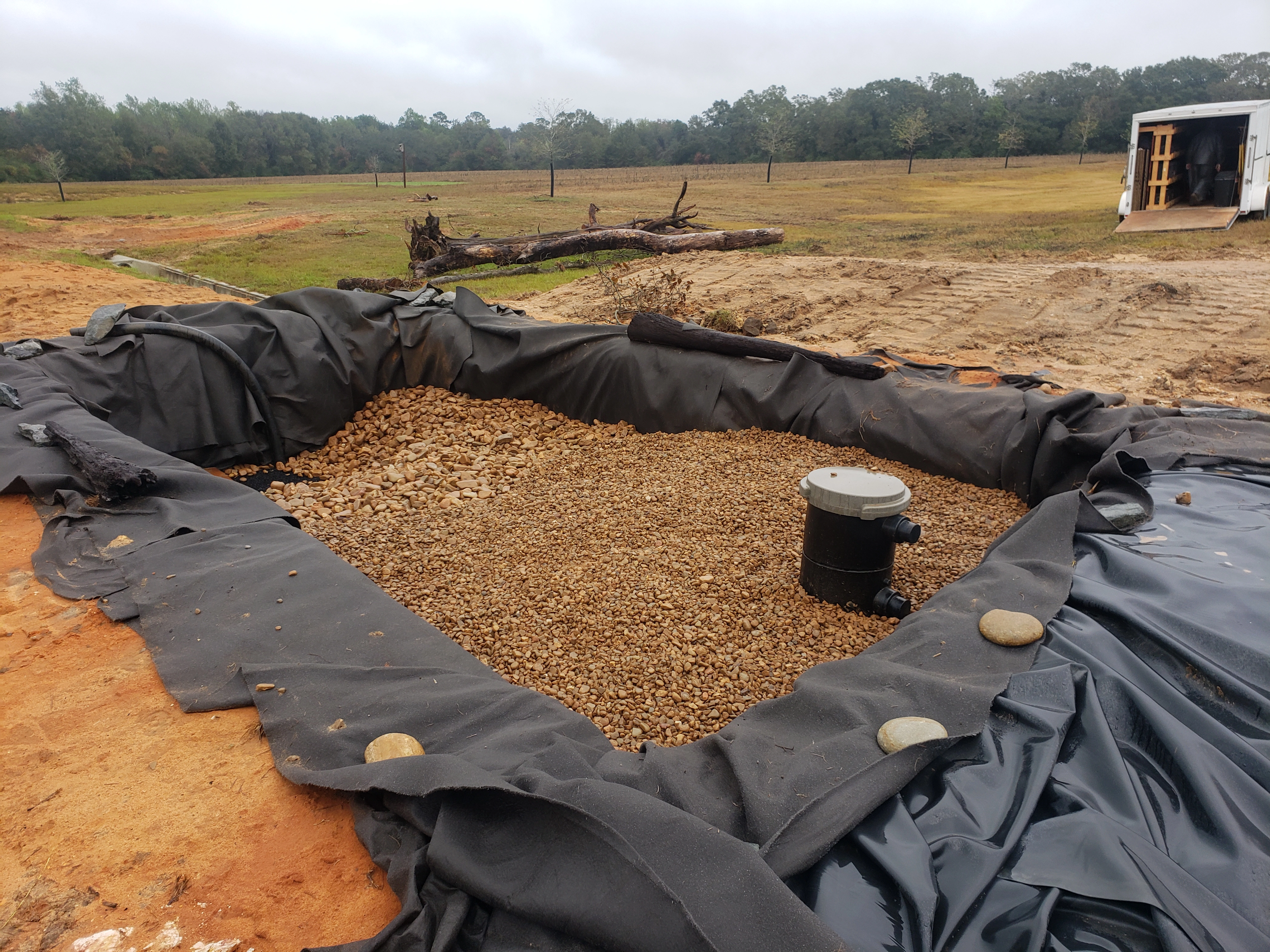
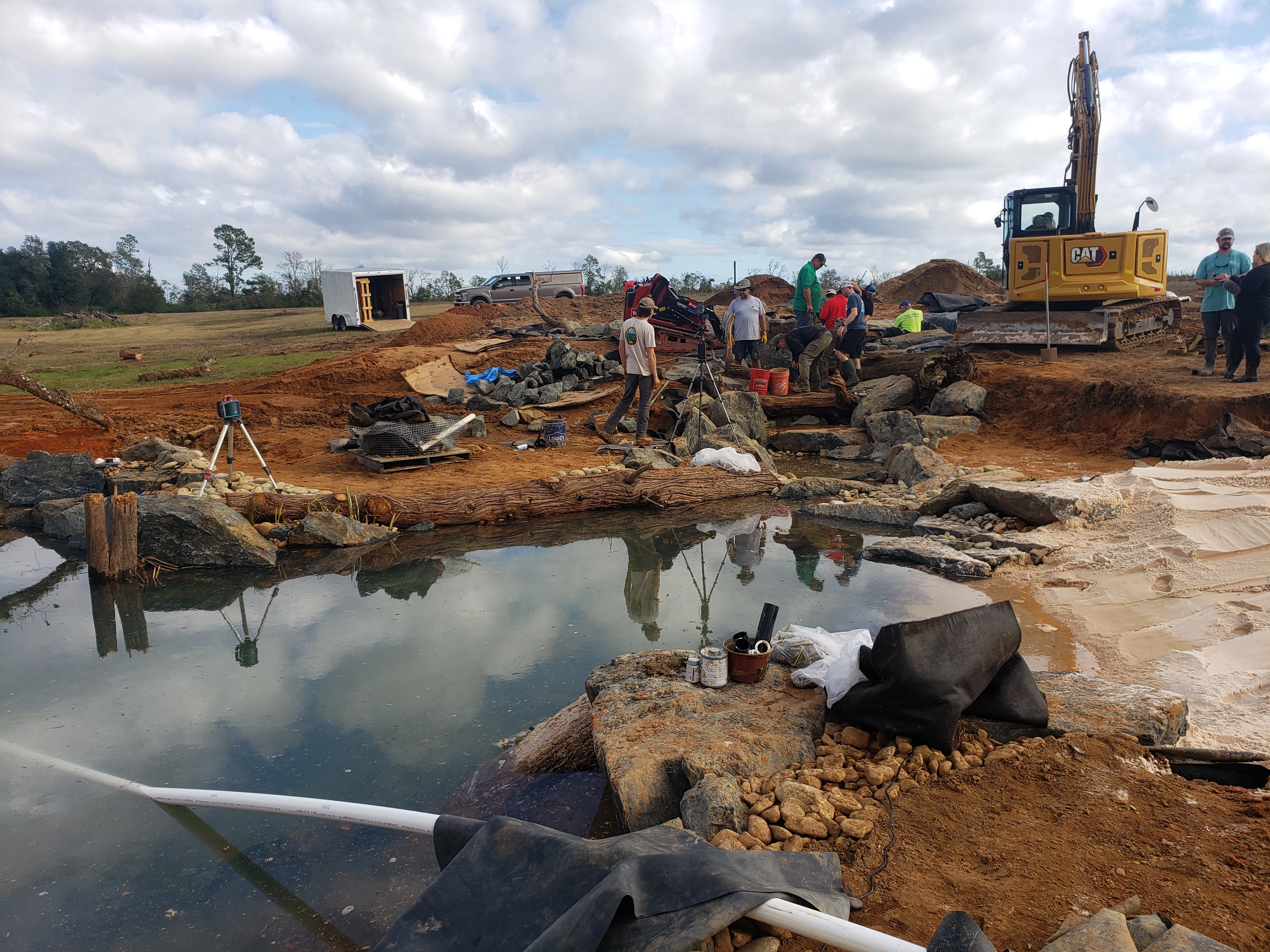
Most of the important parts of a professional pond are not the parts people notice first. Homeowners usually see water, rocks, fish, plants, and waterfalls. But the hidden system underneath determines how the pond performs over time.
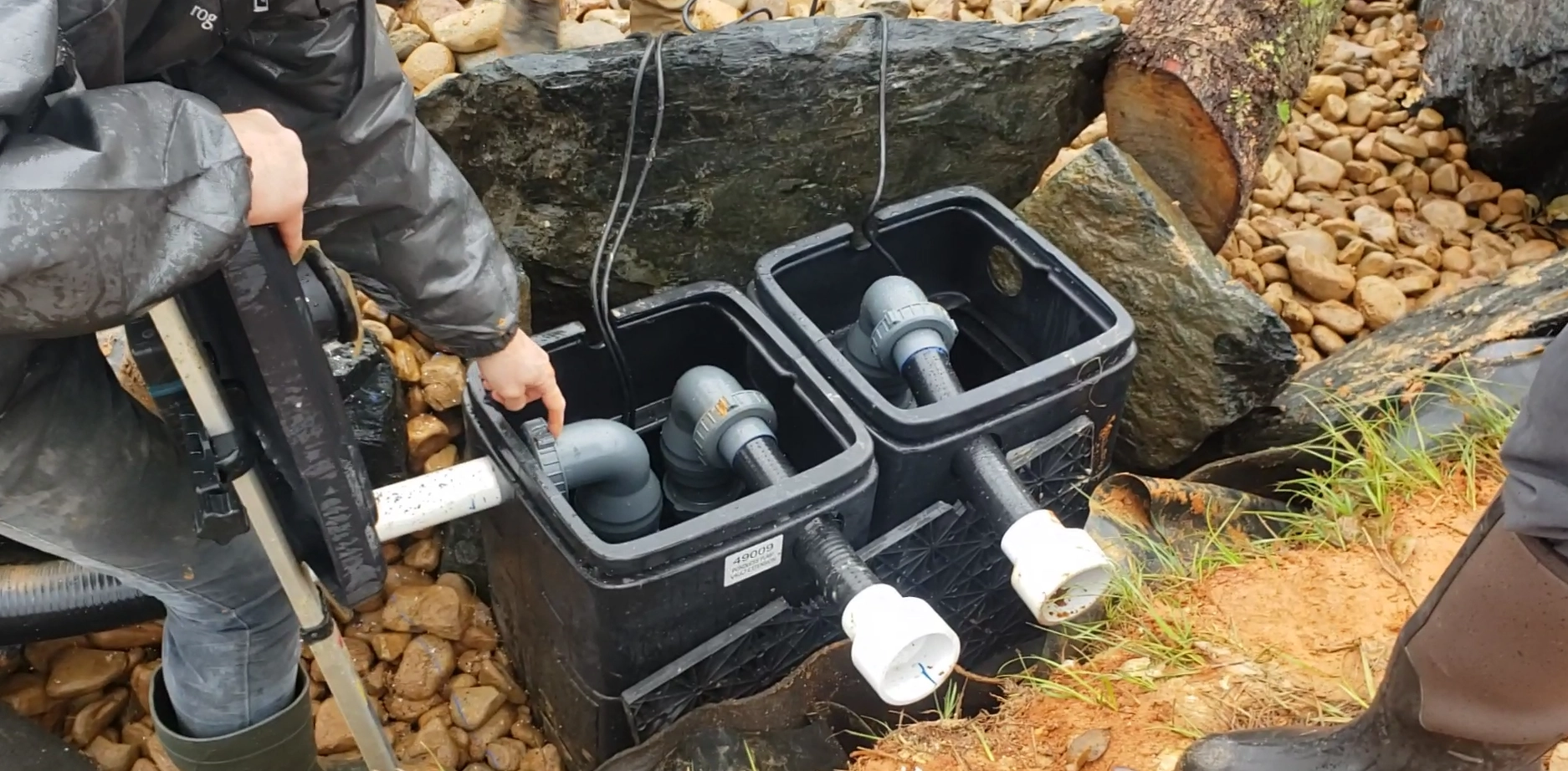
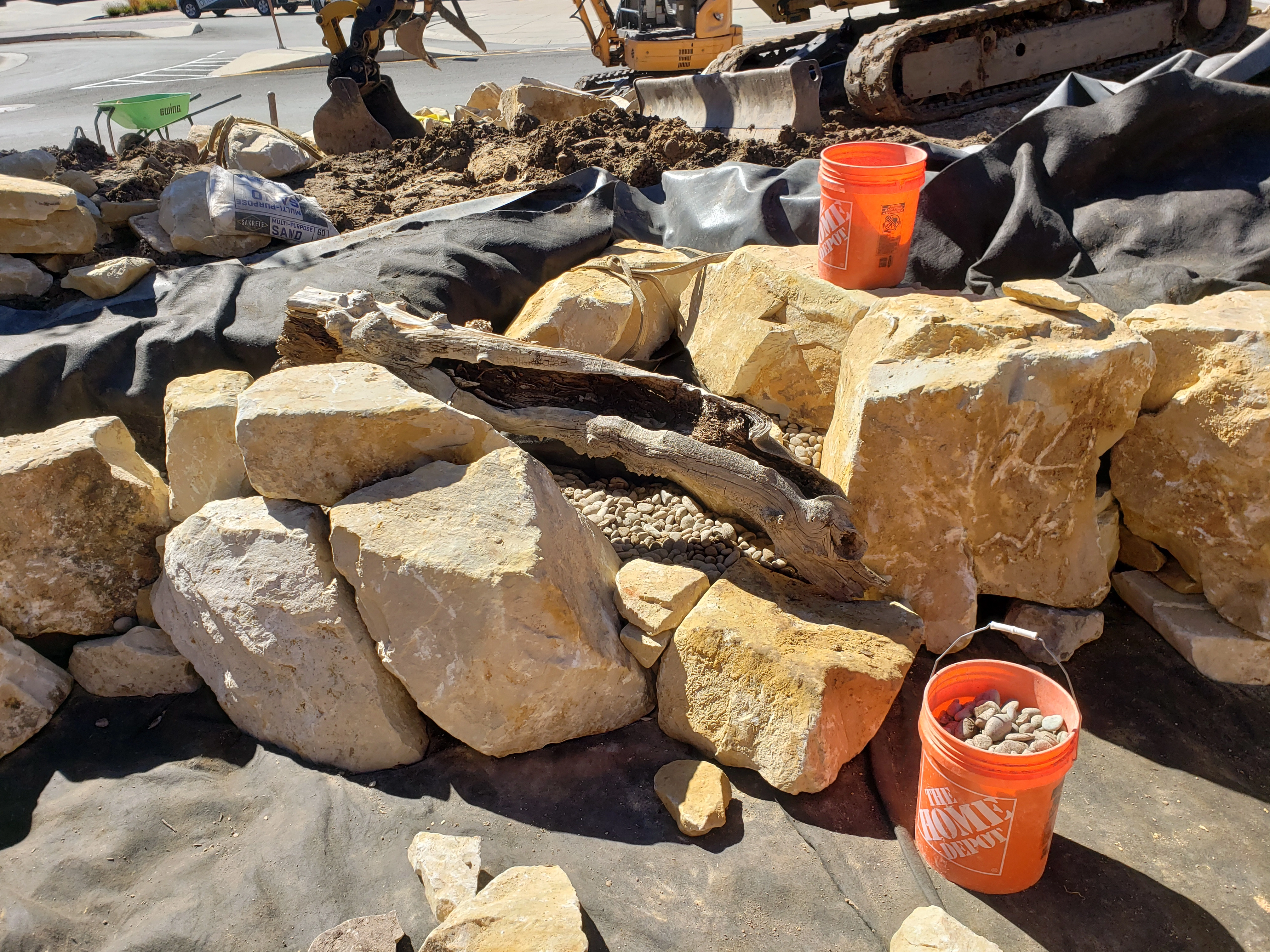
A professional pond installation considers liner protection, underlayment, excavation shape, rock support, plumbing, pump access, skimmer placement, biological filtration, water circulation, and serviceability before the finished stonework ever becomes the focus.
A cheaper pond may reduce cost by simplifying or skipping some of those hidden systems. That can lower the initial price, but it can also create problems later with leaks, algae, poor circulation, difficult maintenance, or premature repairs.
Biological Function
2. Professional Ponds Are Built as Ecosystems
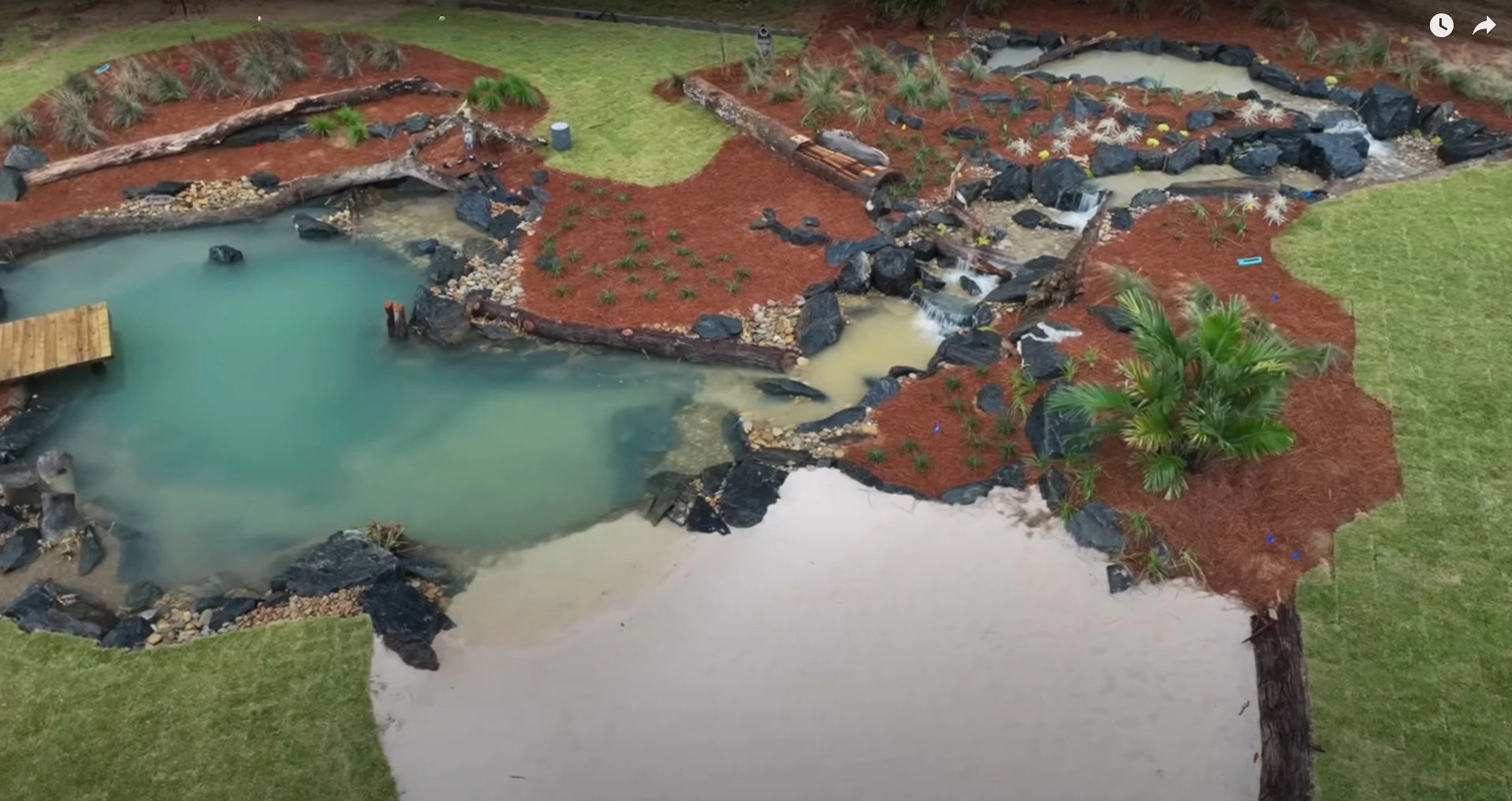
A professional ecosystem pond is designed to work with nature instead of constantly fighting it. That means circulation, oxygenation, mechanical filtration, biological filtration, rock, gravel, aquatic plants, and beneficial bacteria all play a role.
The goal is not sterile water. The goal is healthy, living water. A properly designed ecosystem pond uses moving water, filtration, plants, and natural surfaces to help support balance.
Cheap pond installations often struggle when they are built more like decorative basins than living systems. Without proper circulation and filtration, the pond may look fine at first but become harder to manage as leaves, nutrients, sunlight, and fish waste enter the system.
Short-Term vs Long-Term Thinking
3. Cheap Ponds Often Focus Only on Initial Appearance
A low-cost pond is not automatically bad. Some homeowners truly need a smaller, simpler project. The issue is when a pond is designed mainly to look finished on day one without enough thought given to how it will perform in year three, year five, or year ten.
Some installations prioritize visible stone and water while reducing investment in filtration, liner protection, proper plumbing, edge treatment, waterfall tuning, and maintenance access.
That can create a pond that photographs well at first but becomes frustrating to own later. Professional construction is not only about how the pond looks when it is new. It is about how it works, ages, and can be maintained.
Cheap-first thinking
Focuses mainly on the lowest initial price, often by reducing material quality, system complexity, filtration, or finish detail.
Professional-first thinking
Focuses on the full ownership experience: performance, maintenance, water quality, natural appearance, and long-term reliability.
Craftsmanship
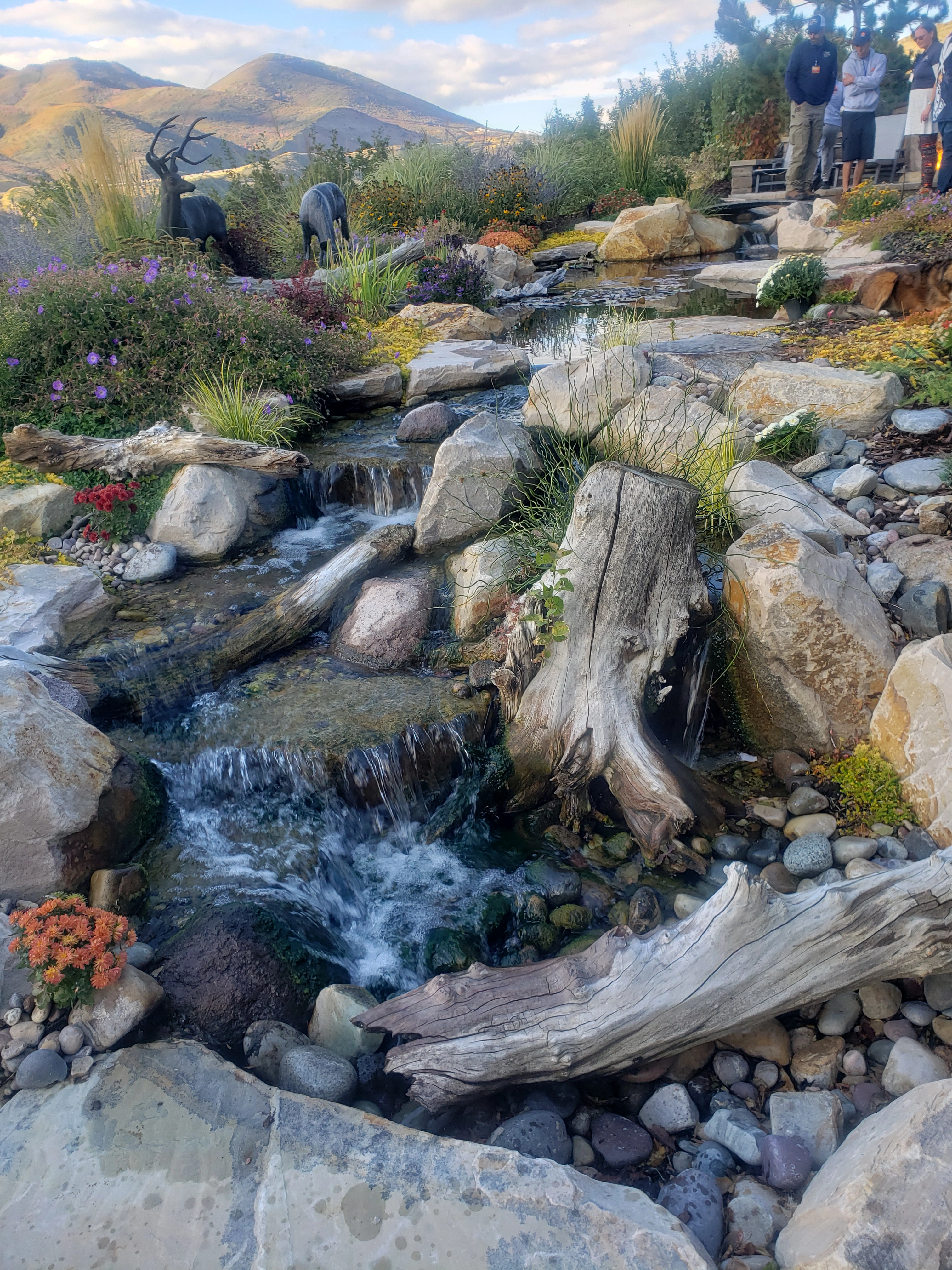
4. Professional Waterfalls Are Sculpted, Not Stacked
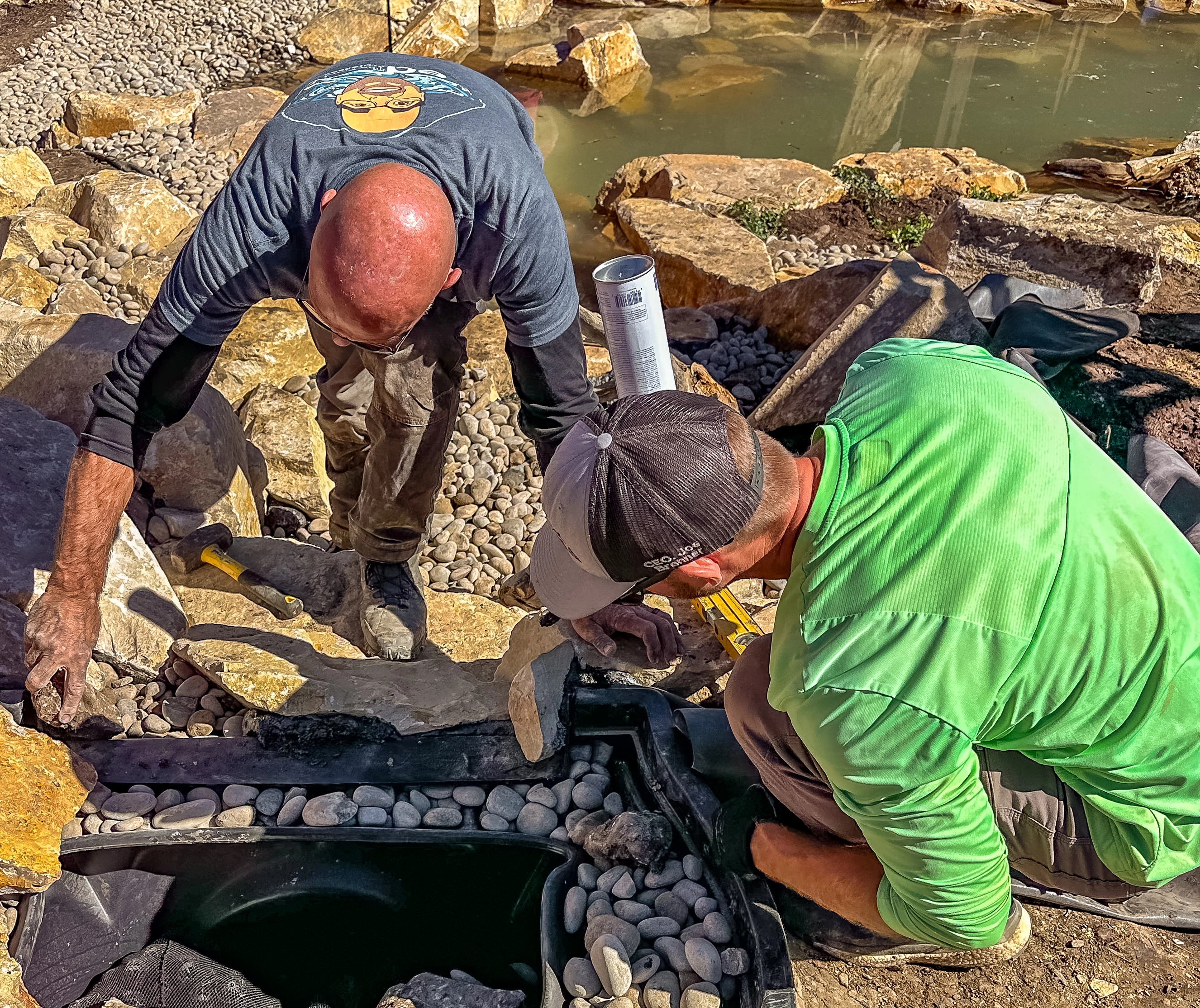
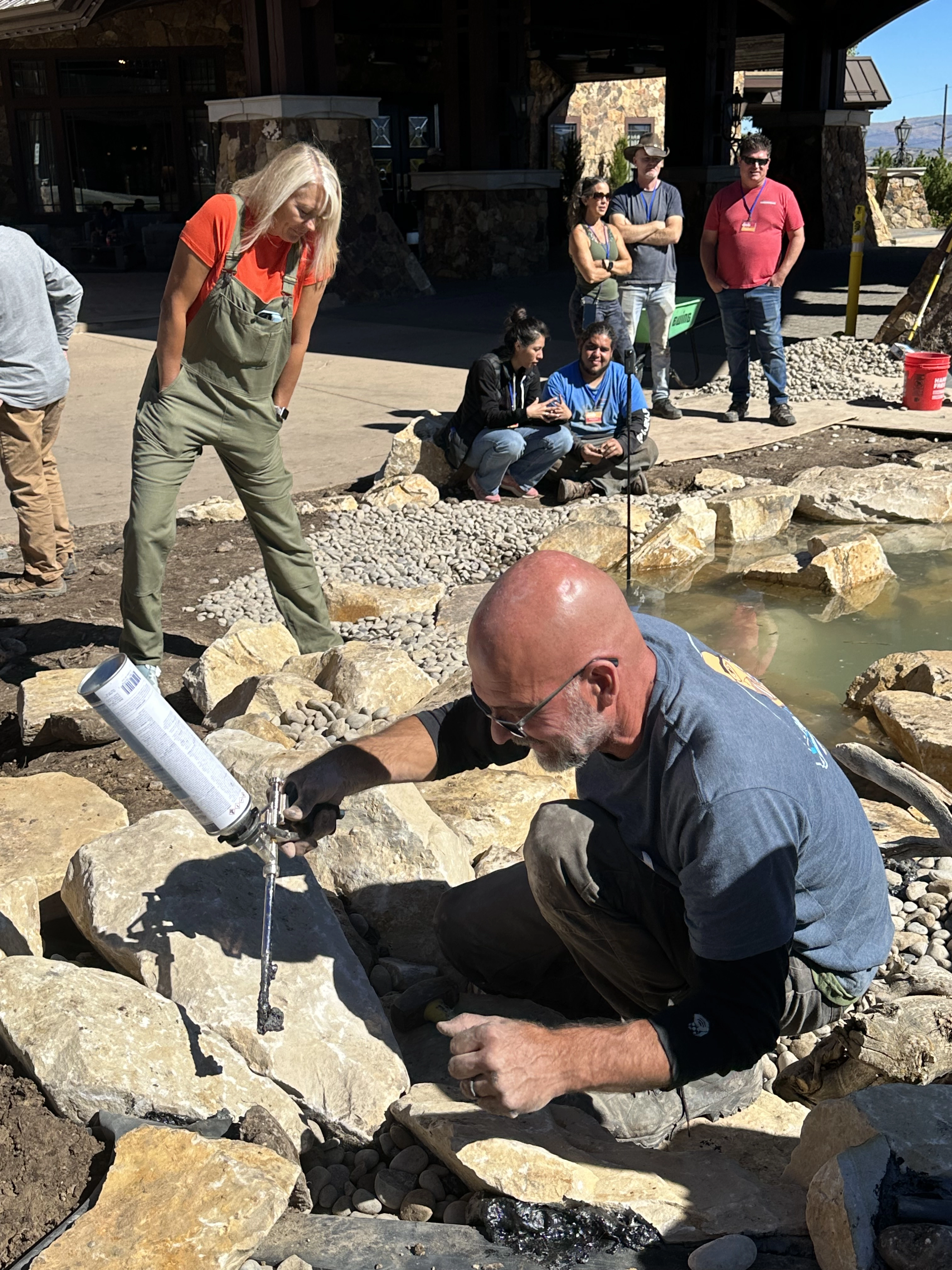
One of the clearest differences between a cheap pond and a professional pond is the waterfall. A natural-looking waterfall requires more than piling rocks where water happens to flow.
Professional waterfall construction considers elevation, spillway width, water speed, foam placement, boulder character, driftwood, edge softening, splash control, and sound. The goal is to create water movement that feels believable.
When a waterfall is rushed, water may disappear behind rocks, run awkwardly under stones, expose liner, splash excessively, or look like a stack of boulders with a pump behind it.
Ownership Experience
5. Maintenance Is Completely Different
A pond that is hard to maintain usually becomes a pond that gets neglected. Professional installation should make long-term ownership easier, not more mysterious.
Proper skimmer placement helps collect floating debris. Good circulation helps reduce stagnant areas. Biological filtration supports water quality. Thoughtful edge design makes cleanouts and service easier. Pump access matters when something needs adjustment or replacement.
A cheaper pond may cost less up front but become more expensive in time, frustration, and maintenance if the system is difficult to access or constantly out of balance.
Professional systems are serviceable
Pumps, filters, skimmers, and plumbing should be planned so the pond can be maintained without tearing apart the whole feature.
Professional systems are balanced
Water movement, filtration, plants, rock, gravel, and bacteria work together to support a healthier pond.
Hidden Costs
6. Cheap Repairs Can Become Expensive Rebuilds
The lowest quote may feel appealing at first, especially when the finished idea seems similar. But pond problems can become expensive when they are caused by foundational choices.
Leaks, exposed liner, poor circulation, algae issues, settling stone, undersized pumps, inaccessible plumbing, and failing waterfalls can turn a cheap installation into a future reconstruction project.
Sometimes the most expensive pond is the one that has to be built twice.
Design Integration
7. A Professional Pond Should Feel Integrated Into the Property
A pond should not feel like an object dropped into the yard. It should feel connected to the patio, landscape, views, grade, architecture, and the way people actually use the space.
Professional design considers where people sit, where they walk, what they see from inside the house, how the pond sounds from nearby spaces, how it matures with plants, and how it fits into the larger outdoor environment.
This is where the difference between “installed” and “designed” becomes clear.
Finished Result
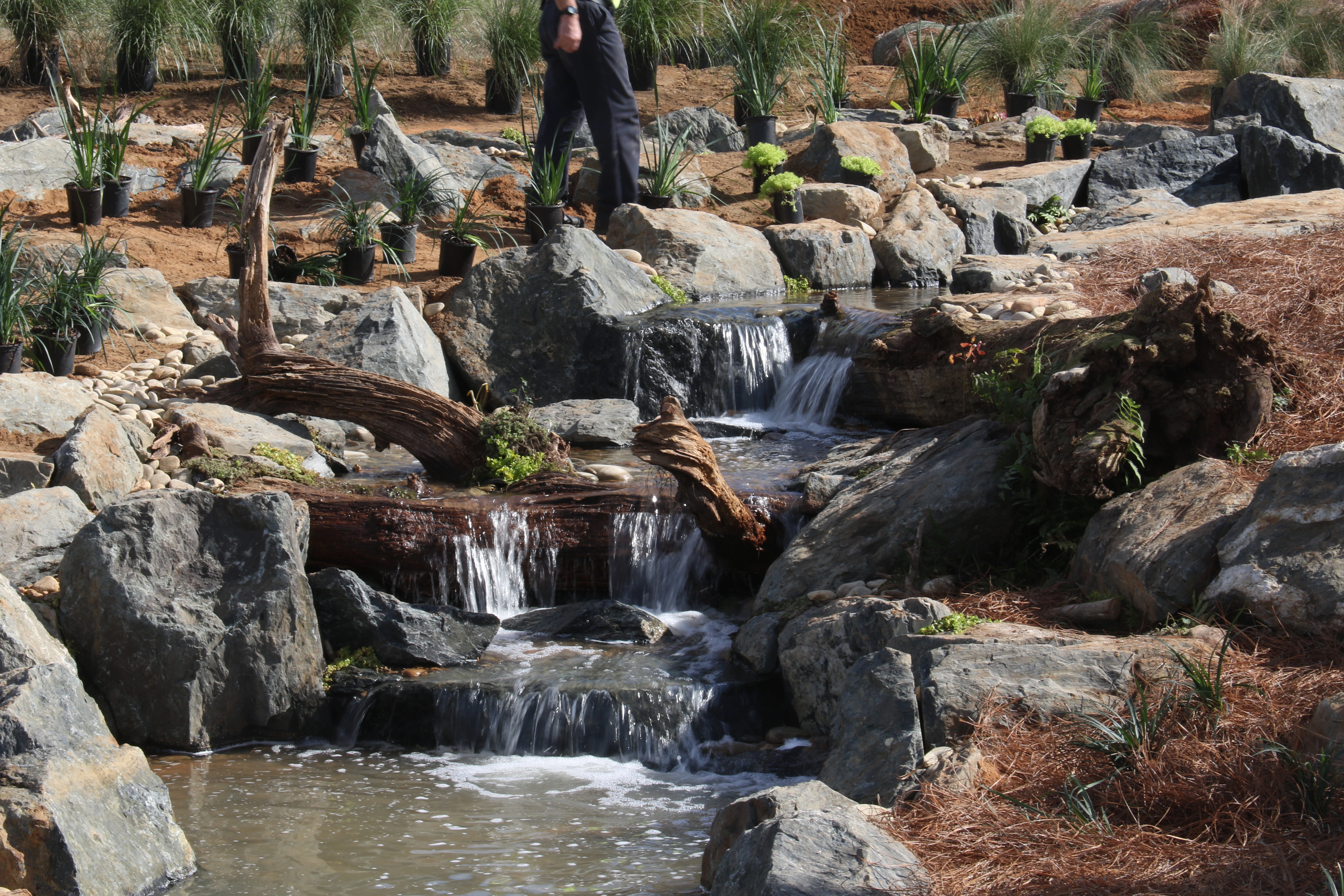
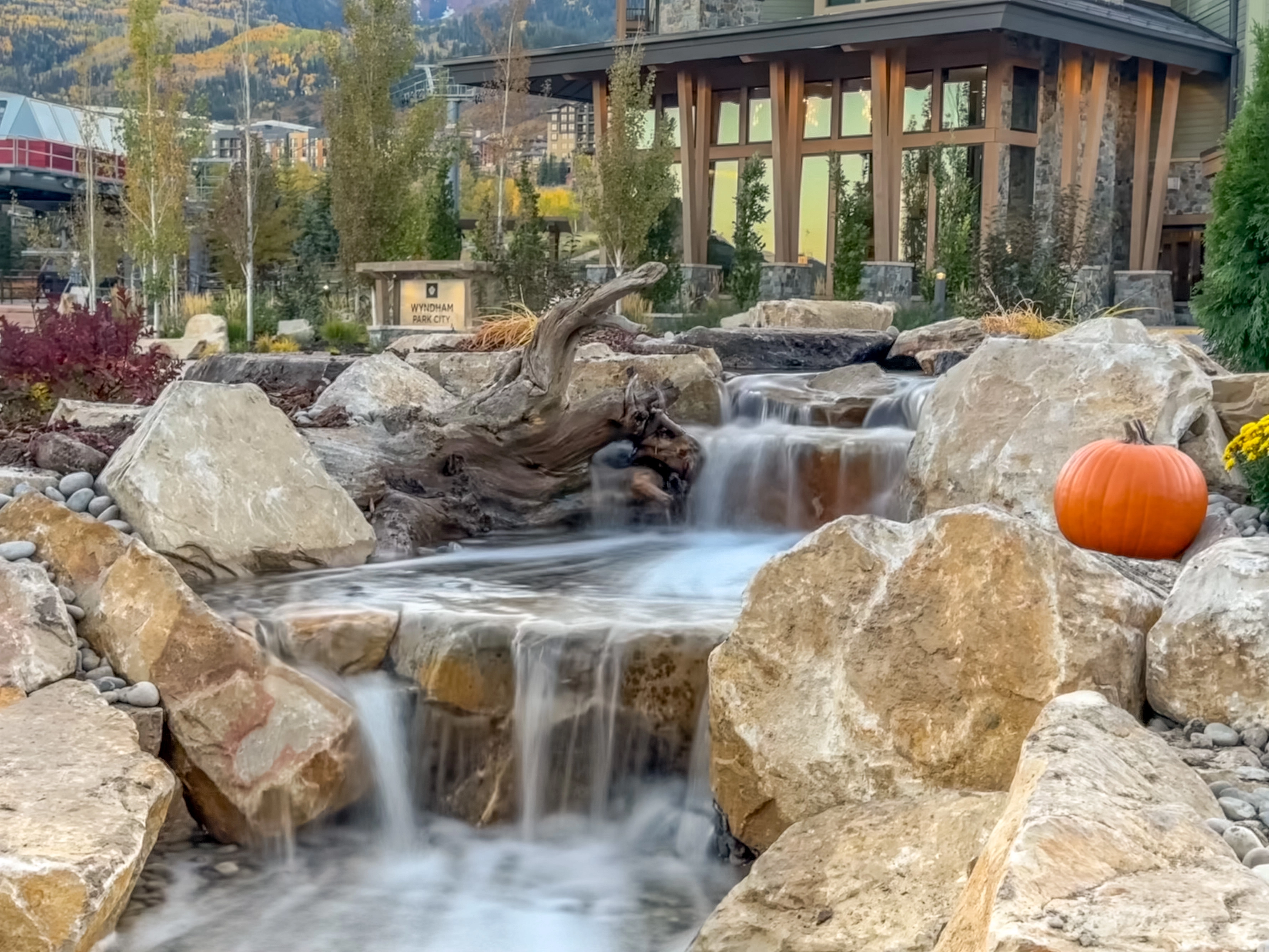
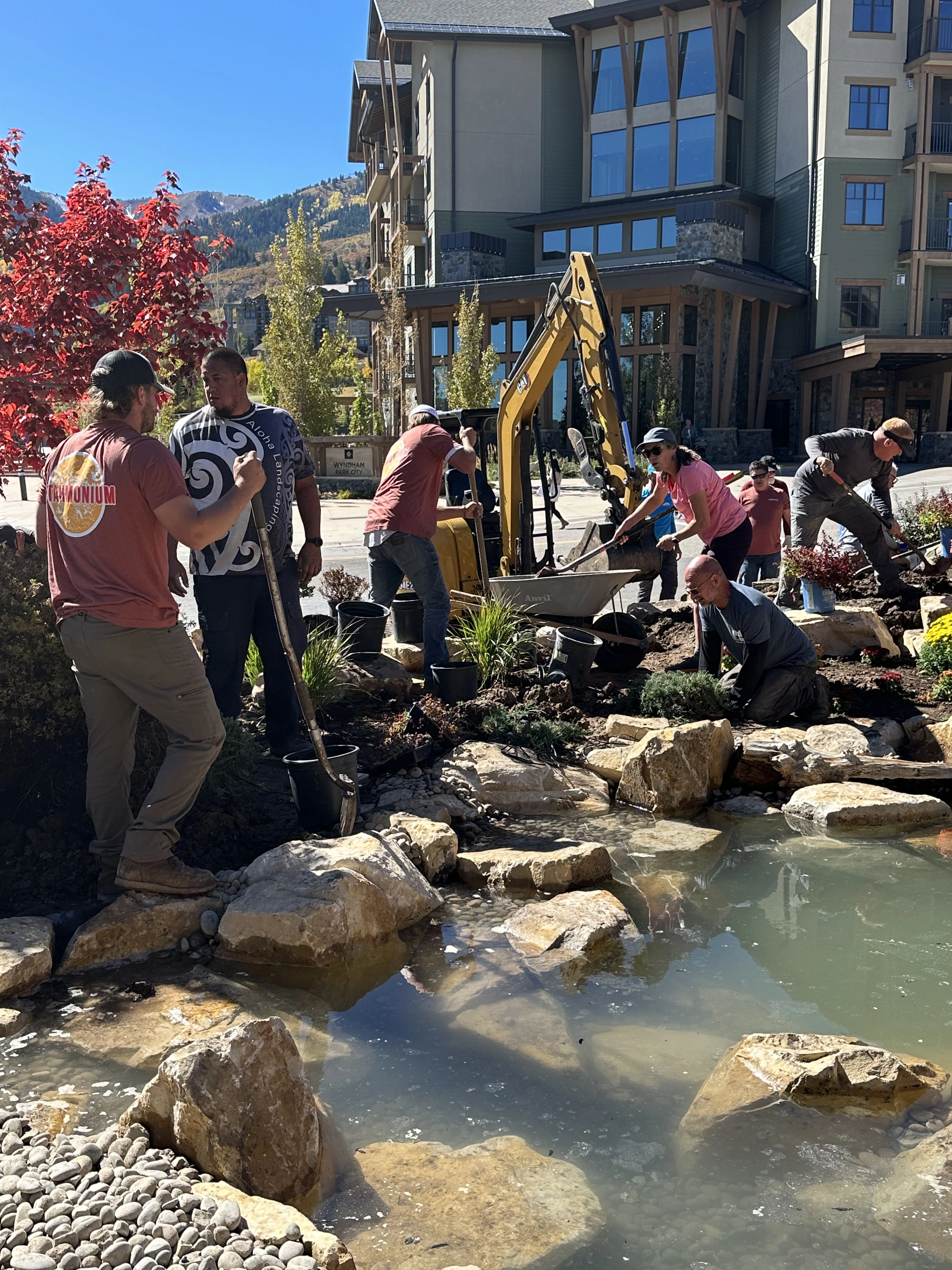
What Professional Pond Installation Looks Like When Everything Works Together
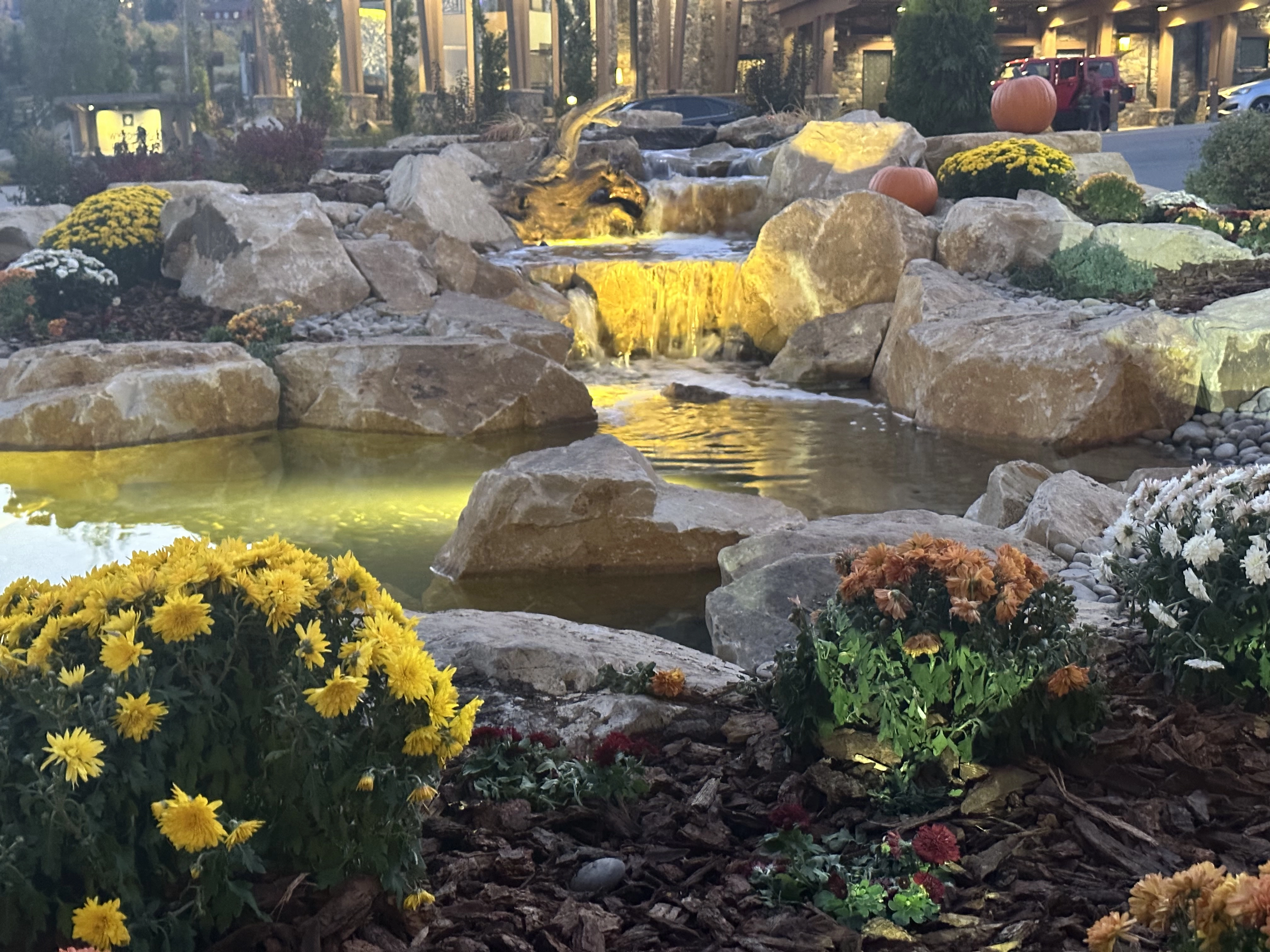
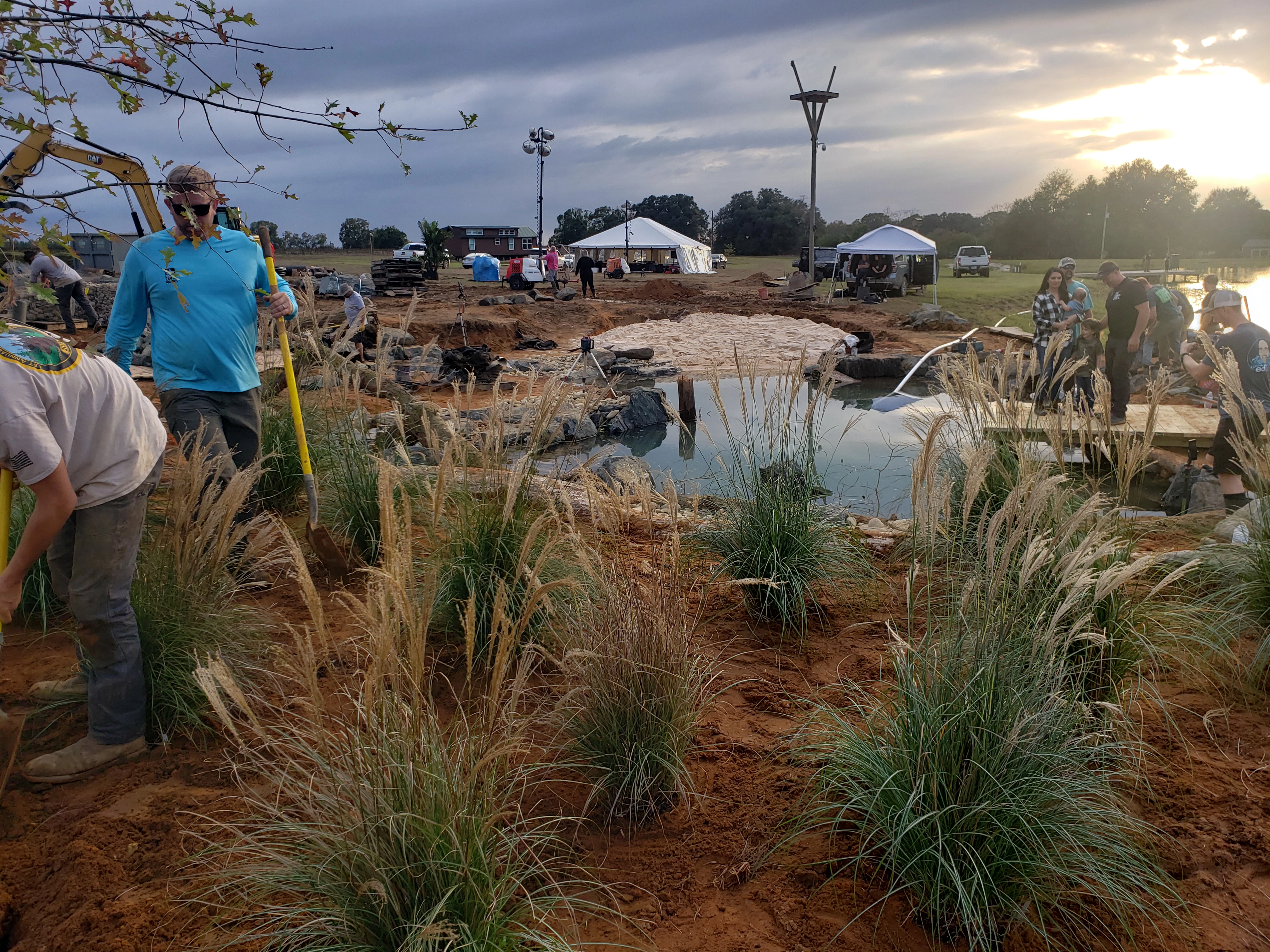
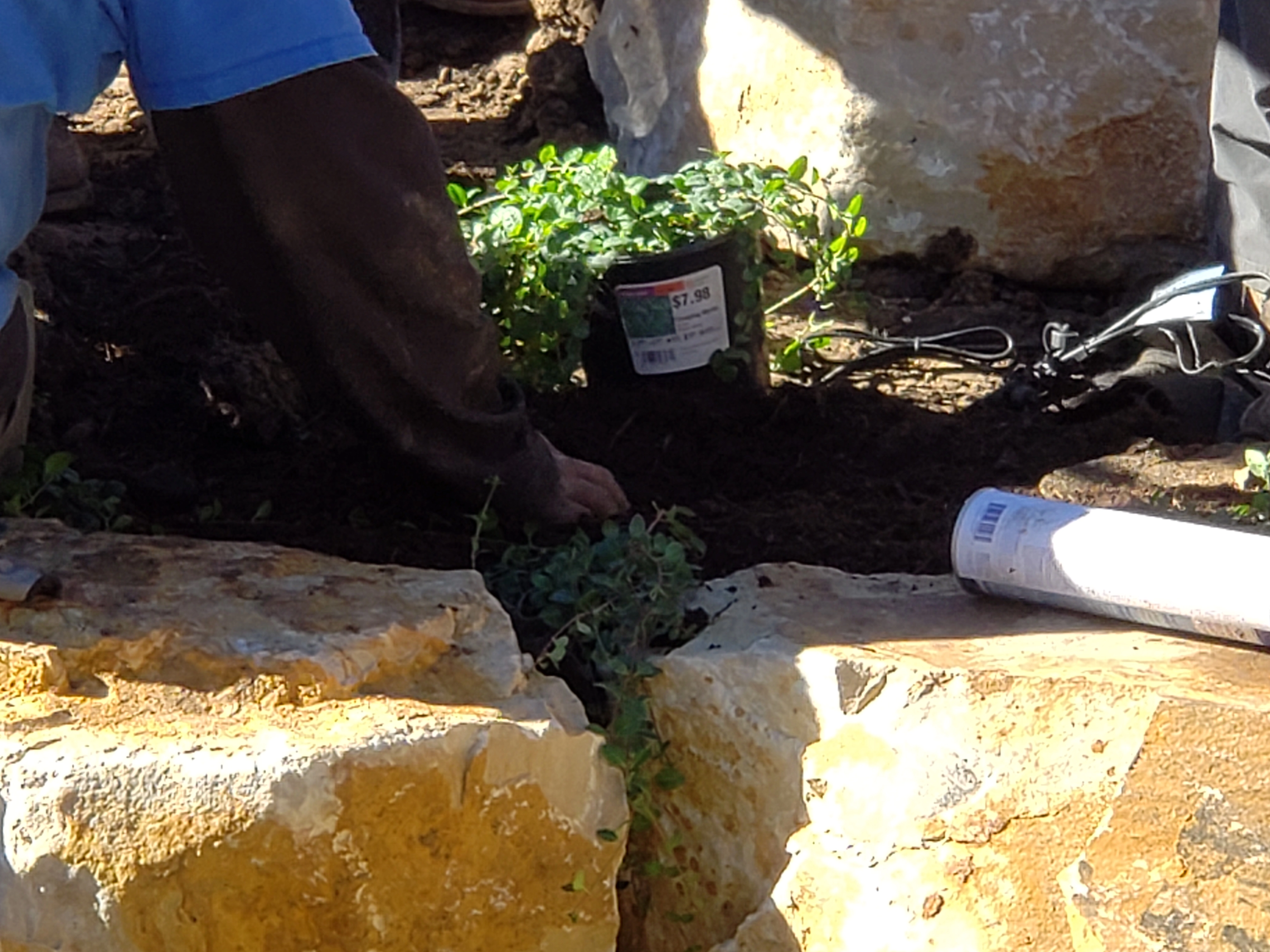
A professional pond is not defined by one product, one rock, or one waterfall. It is the result of many correct decisions stacked together: layout, excavation, liner protection, plumbing, filtration, pump access, rock placement, foam work, plants, lighting, and long-term maintenance planning.
The finished result should look natural, function reliably, and feel like it belongs in the space.
Final Thought
The Real Difference Is Confidence
Cheap pond installation and professional pond installation are not always separated by size. Sometimes they are separated by what the homeowner cannot see at first: planning, infrastructure, filtration, craftsmanship, and long-term thinking.
A professional pond should give you confidence that the feature was built with the full ownership experience in mind.
If you are comparing pond quotes, do not only ask which one costs less. Ask what is being built, what is being skipped, how it will be maintained, and whether the system is designed to age beautifully.
FAQ
Frequently Asked Questions About Cheap vs Professional Pond Installation
What makes a pond professionally built?
A professionally built pond is designed with proper excavation, liner protection, filtration, plumbing, circulation, stone placement, edge treatment, and long-term maintenance access. It should function as a complete system, not just a decorative hole with water.
Why do cheap ponds fail?
Cheap ponds often fail when important hidden details are skipped or simplified, such as filtration, proper liner protection, pump sizing, circulation, edge treatment, or service access. Problems may not appear immediately, but they can become expensive later.
Is an ecosystem pond worth the extra cost?
For many homeowners, yes. An ecosystem pond is designed to support healthier water, easier maintenance, natural beauty, plants, fish, and long-term enjoyment. The added cost often reflects better materials, filtration, and design planning.
Why does pond filtration matter?
Filtration helps remove debris, support beneficial bacteria, improve circulation, and maintain healthier water. Without proper filtration, a pond may become harder to manage and more prone to algae, poor clarity, or stagnant areas.
What causes algae problems in ponds?
Algae can be caused by excess nutrients, poor circulation, too much sunlight, inadequate filtration, fish waste, decomposing debris, or an unbalanced ecosystem. Professional design helps reduce avoidable algae problems by improving system balance.
How long should a professional pond last?
A professional pond should be built for long-term enjoyment, but lifespan depends on installation quality, materials, maintenance, site conditions, and seasonal care. Good construction choices help reduce avoidable repairs and premature rebuilds.
What is hidden underneath a professional pond?
A professional pond may include underlayment, liner, skimmers, biological filtration, plumbing, pump vaults, check valves, rock and gravel, drainage considerations, and service access points that are not obvious once the pond is finished.
Are pond repairs expensive?
Pond repairs can become expensive when the problem is caused by poor construction, leaks, bad plumbing, settling stone, or inadequate filtration. In some cases, fixing the issue properly requires partial or full reconstruction.
Recommended Reading
Keep Planning With Confidence
Why Water Feature Prices Vary So Much
Understand why quotes can be dramatically different and what affects the final investment.
Water Feature Pricing
Explore general pricing guidance for ponds, pondless waterfalls, fountainscapes, and upgrades.
Ecosystem Ponds
Learn how professional ecosystem ponds use filtration, circulation, plants, and biology.
Pond Installation Process
See what happens during a professional pond installation from planning through final details.
Are Water Features Hard to Maintain?
Learn how design choices affect the long-term maintenance experience.
Maintenance Programs
Protect your pond with seasonal service, cleanouts, and ongoing ecosystem care.