 (507) 720-3450
 info@fountainscapesandwaterfalls.com



Money + Trust Guide
Why Water Feature Prices Vary So Much
If you have started pricing backyard water features, you may have noticed something confusing very quickly: two projects that sound somewhat similar can have very different price tags.
One contractor may quote a simple decorative feature for a few thousand dollars, while another may propose a fully integrated ecosystem pond, pondless waterfall, or custom fountainscape at several times that amount. That does not automatically mean one company is overcharging and another is the bargain of the century. In many cases, the projects are simply not being built to the same standard, scale, lifespan, or design intent.
Project Scope
1. Size Is Only One Part of the Equation
Many homeowners assume water feature pricing works like this: bigger feature equals higher price, smaller feature equals lower price. Size definitely matters, but it is only one piece of the puzzle.
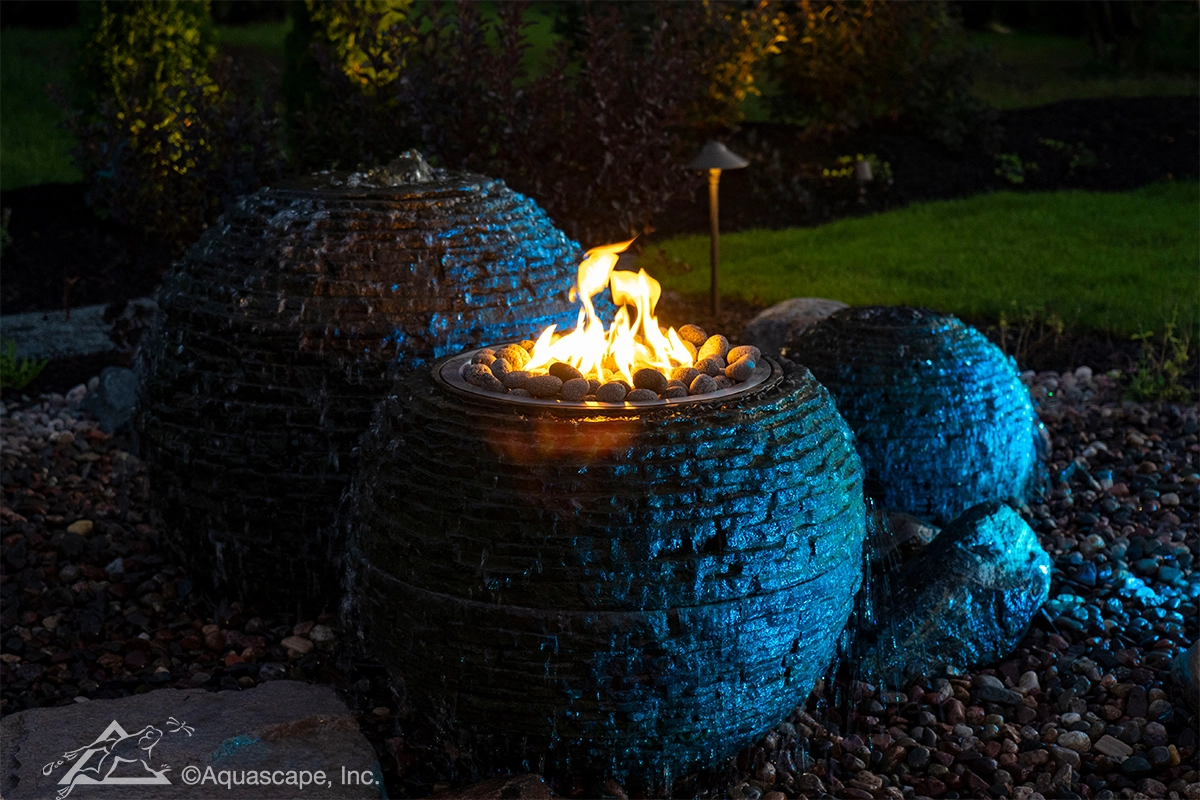
A small feature with difficult access, large boulders, detailed edge work, lighting, filtration, and tight integration near a patio may require more planning and labor than a larger but simpler feature in an open yard.
Price can be affected by excavation, soil conditions, yard access, machine access, grade changes, drainage concerns, stone size, plumbing runs, electrical needs, lighting, plantings, and how naturally the finished feature needs to blend into the space.
Feature Type
2. Different Types of Water Features Have Different Cost Structures
A fountainscape, pondless waterfall, ecosystem pond, and large custom waterfall are not priced the same way because they are not built the same way. Each type of feature has its own materials, labor, excavation needs, plumbing requirements, and long-term maintenance expectations.
Decorative fountainscapes
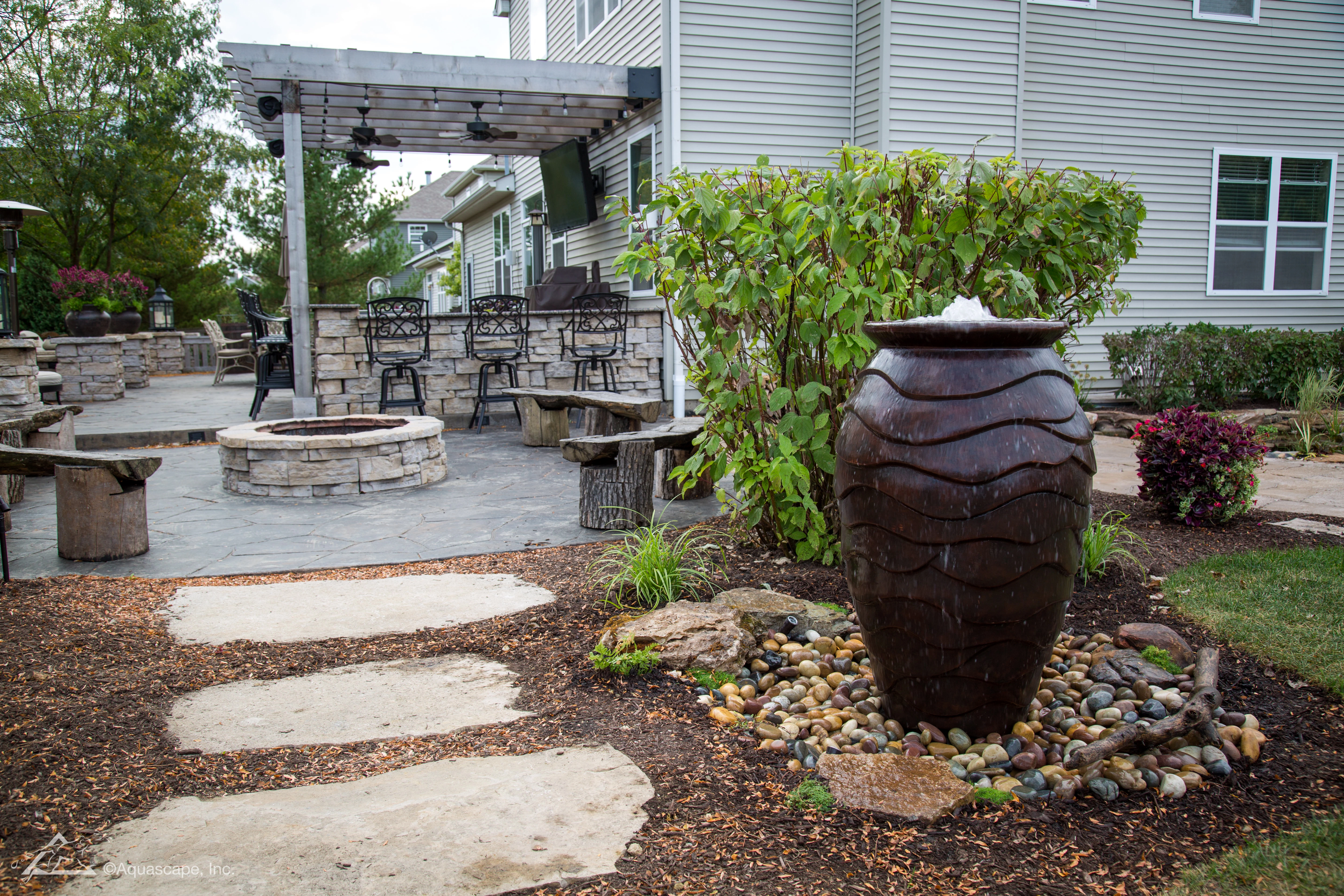
These are often more compact and may be ideal near patios, walkways, entrances, and smaller garden spaces. They can still feel high-end, but they usually have a simpler footprint than a full pond ecosystem.
Pondless waterfalls
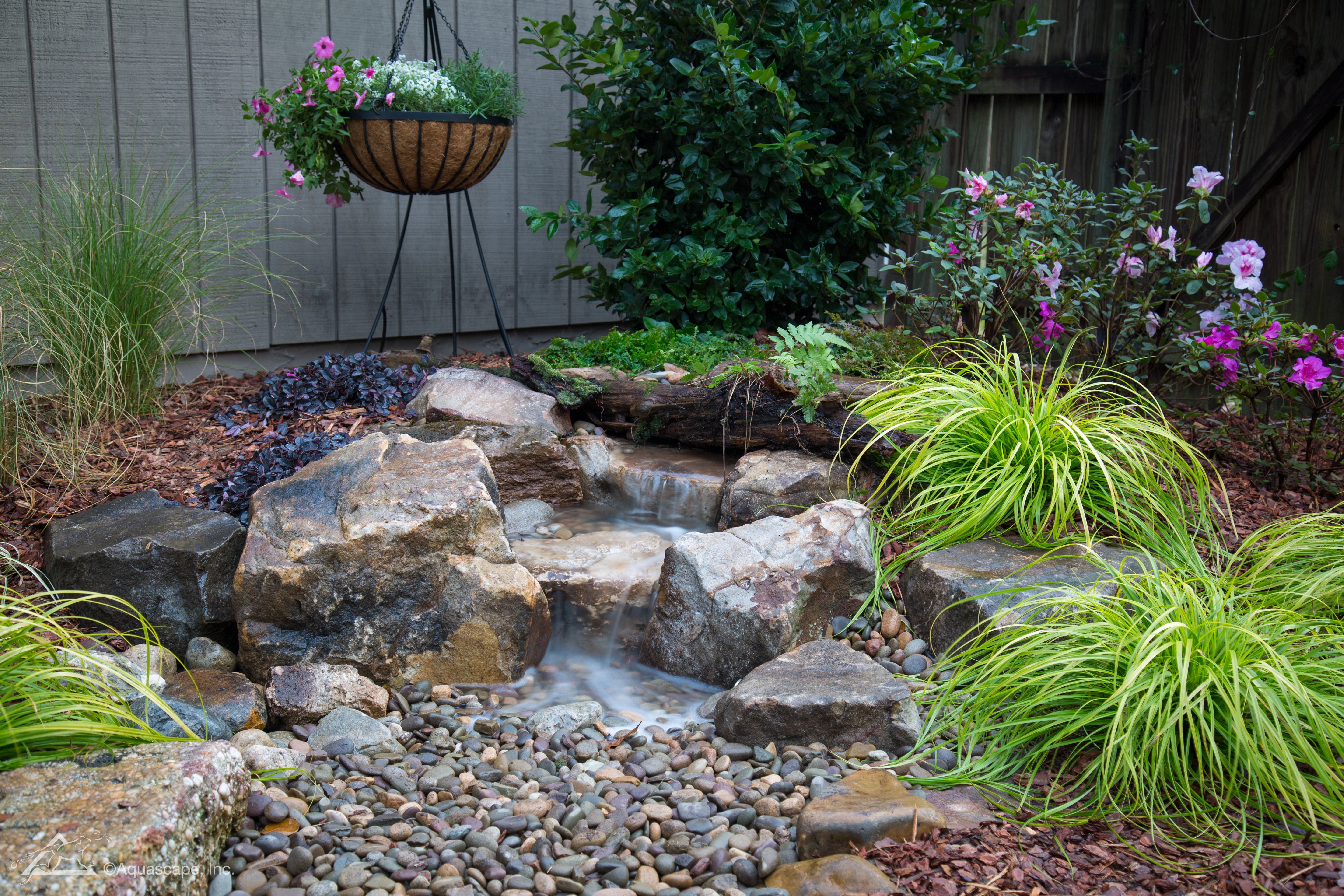
Pondless waterfalls require excavation, a hidden reservoir, rock placement, plumbing, and waterfall tuning. They can range from small garden features to large natural streams.
Ecosystem ponds
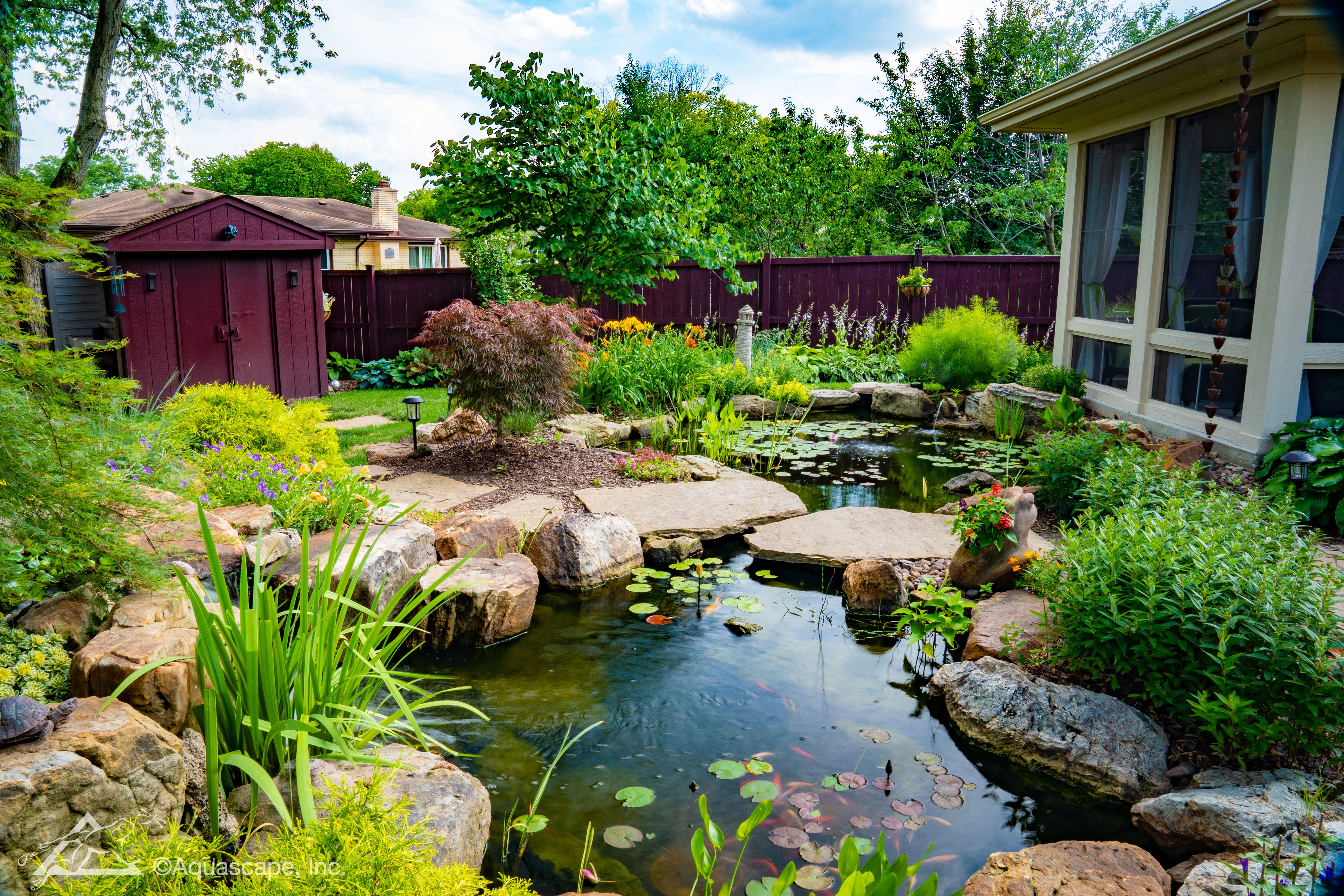
Ecosystem ponds involve filtration, circulation, biological balance, aquatic plants, rock and gravel, fish considerations, edge treatment, and seasonal maintenance planning.
Large custom features
Large water features often include more elevation change, bigger stone, longer streams, seating areas, lighting, and stronger design integration. These details can dramatically change the final investment.
Materials + Components
3. Materials Change Everything
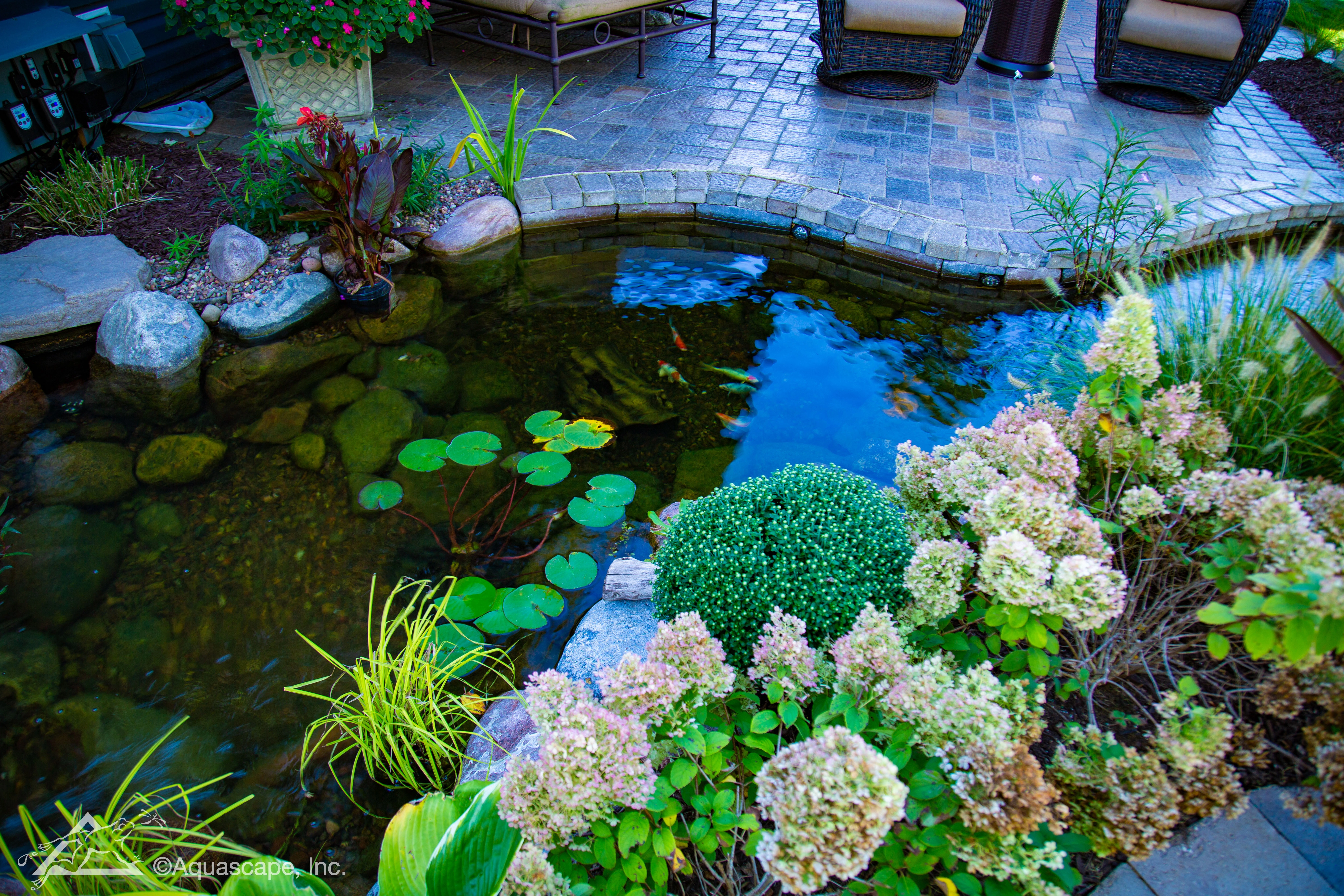
Water features are not just holes, rocks, and pumps. The materials hidden underneath the finished project have a major effect on durability, maintenance, water clarity, reliability, and how easy the system is to service later.
Professional construction may include proper liner and underlayment, correctly sized pumps, skimmers, biological filtration, check valves, flex pipe, fittings, waterfall foam, rock and gravel, and components designed to work together as a system.
Lower-priced projects sometimes reduce cost by simplifying the system, using lighter-duty components, skipping important filtration, undersizing pumps, or focusing only on the visible appearance. The feature may look acceptable at first, but the hidden system determines how it performs over time.
Design Skill
4. Natural-Looking Water Features Take More Skill
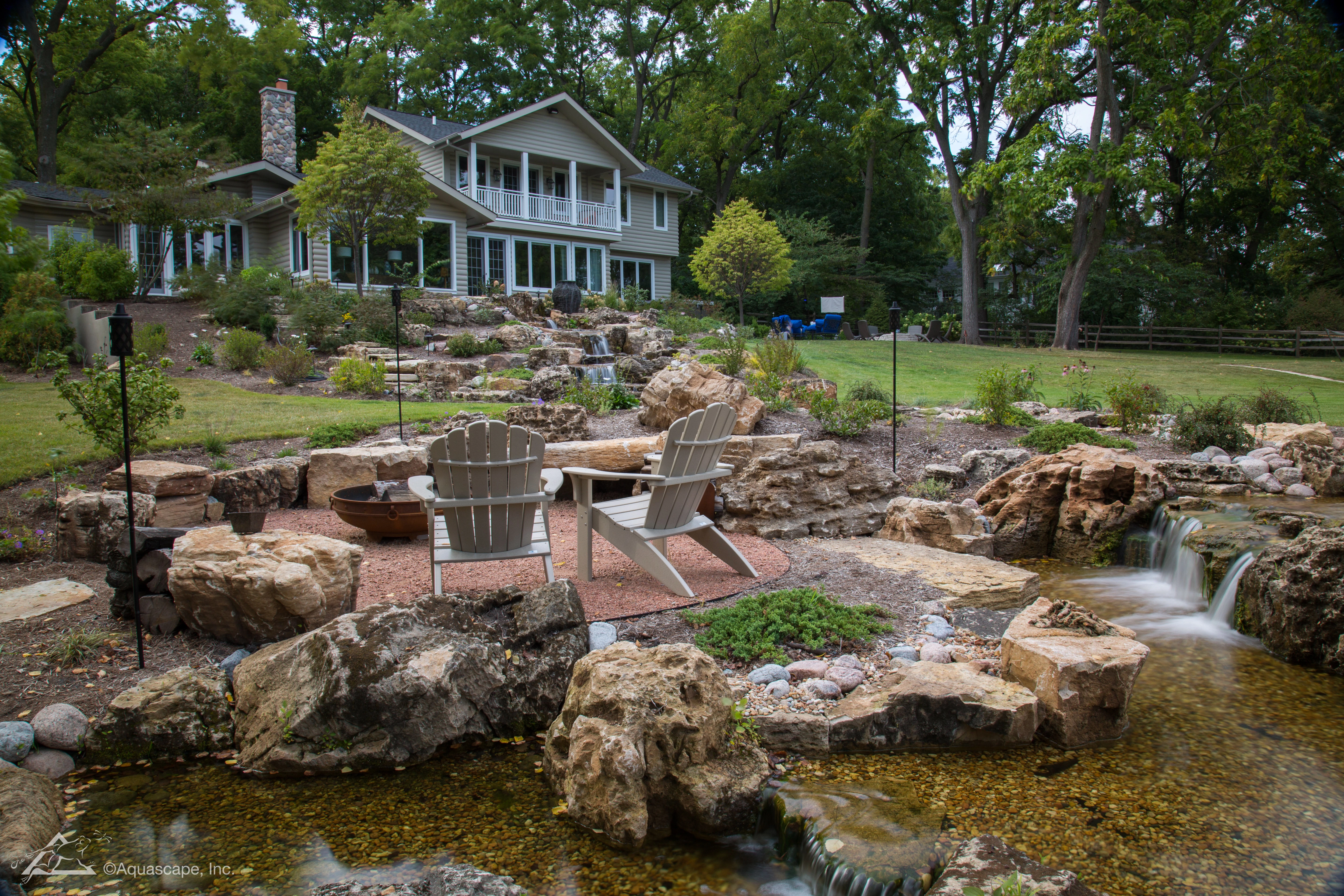
A natural-looking water feature is not created by simply stacking rocks around water. The most convincing features are shaped with intention. The stone placement, water speed, waterfall drops, edge transitions, planting pockets, viewing angles, and sound all need to work together.
A waterfall that feels natural usually has carefully selected character stones, hidden liner, believable elevation changes, and water that moves in a way that feels like it belongs in the landscape.
This is where craftsmanship becomes a major part of the price. Two projects may use similar materials, but the final result can feel completely different depending on the installer’s design eye, field experience, and patience with detail.
Longevity
5. Some Projects Are Built for a Few Years. Others Are Built for the Long Haul.
One of the biggest reasons prices vary is that not every project is built with the same expected lifespan. A water feature that is designed only to look good on day one is different from one designed for years of reliable enjoyment.
Short-term shortcuts can show up later as leaks, settling stones, exposed liner, poor circulation, algae problems, hard-to-clean areas, undersized filtration, pump failures, or waterfalls that need to be rebuilt.
A professional water feature should be planned with maintenance, seasonal conditions, biological balance, and service access in mind. In Minnesota, that also means respecting freeze-thaw cycles, spring startup, fall shutdown, and the realities of outdoor living in a cold climate.
Professional Planning
6. Experience and Process Matter Too
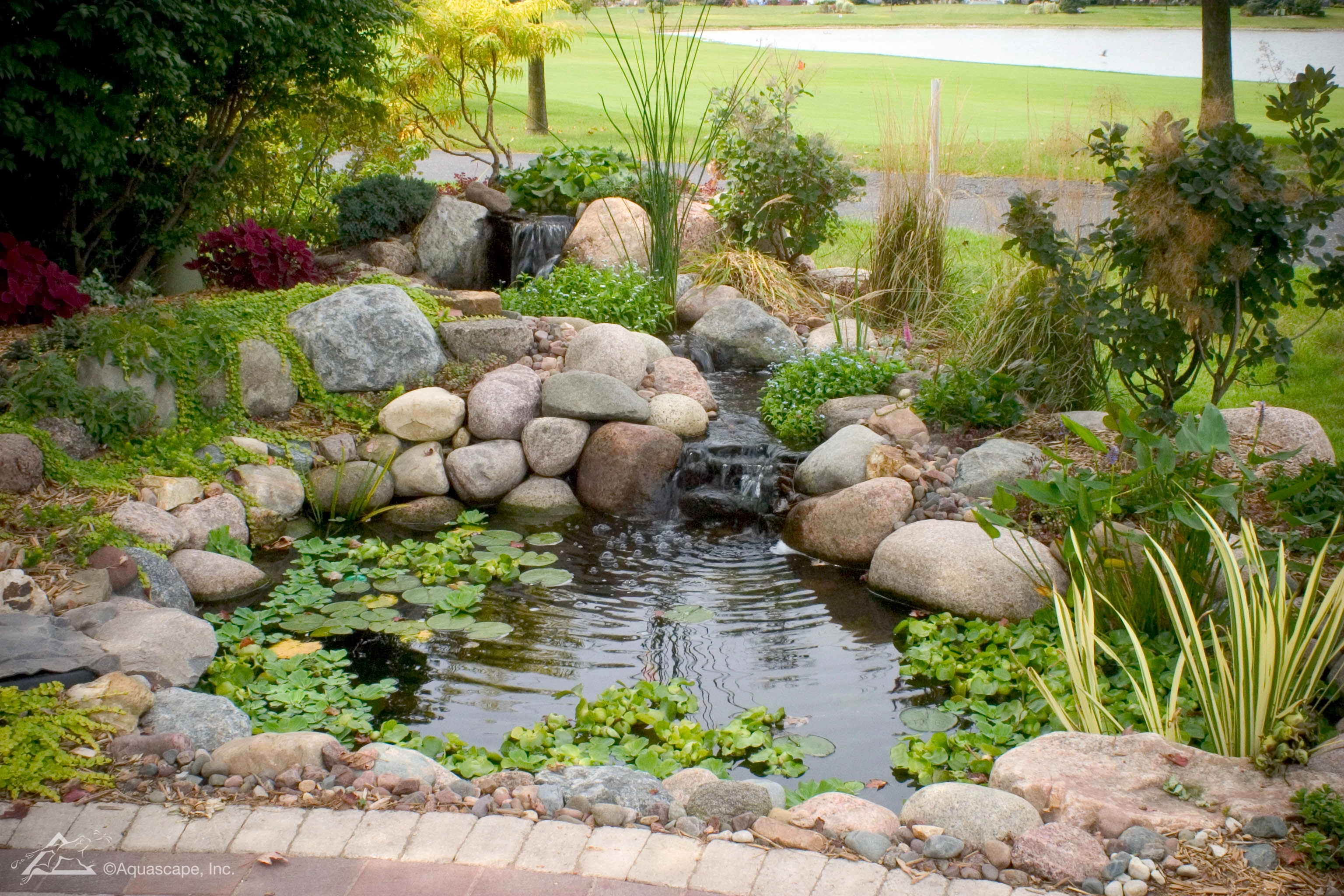
Pricing is not only about the finished feature. It is also about the process that gets the project there. A thoughtful contractor looks at access, grade, drainage, utilities, work area, excavation logistics, material staging, and how the feature will fit the property.
Design decisions made before digging can prevent expensive problems later. Where will water flow during heavy rain? Can materials be moved safely into the backyard? Is the feature too close to a structure? How will it look from the patio, kitchen window, or seating area?
That planning time is part of the value. A well-built water feature should feel like it belongs there, not like it was dropped into the yard after everything else was finished.
Buyer Confidence
7. Cheap Quotes Can Become Expensive Later
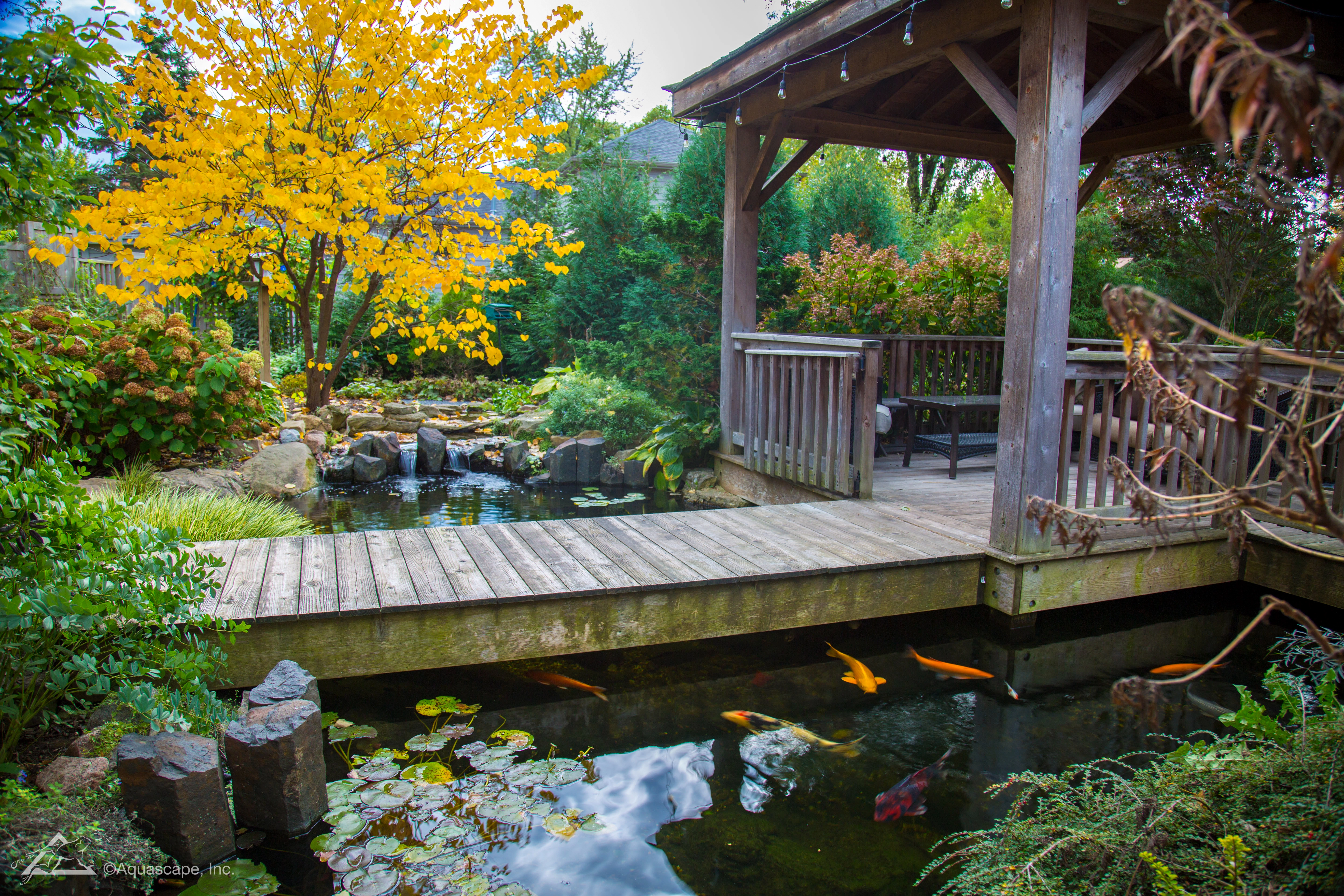
A lower quote is not always wrong. Some homeowners truly need a smaller, simpler project, and there is nothing wrong with that. The key is understanding what is included, what is being simplified, and what expectations are realistic.
The risk comes when two proposals look similar on the surface but are not actually offering the same build quality, materials, filtration, design detail, or long-term serviceability.
A cheap project can become expensive if it has to be repaired, rebuilt, re-plumbed, re-edged, re-filtered, or redesigned later. A better question than “Which quote is cheaper?” is “What am I actually getting for this investment?”
The Real Comparison
How to Compare Water Feature Proposals More Accurately
When comparing water feature prices, try not to compare only the final number. Compare what the project includes. A stronger proposal should help you understand the feature type, approximate size, materials, filtration, pump system, lighting, access needs, construction approach, and what kind of finished experience the contractor is trying to create.
Ask what is included
Look for details about filtration, liner system, stone, gravel, plumbing, lighting, plants, electrical coordination, and startup.
Ask what is excluded
Some proposals leave out restoration, electrical work, extra stone, landscaping, lighting, or future maintenance considerations.
Ask how it will be maintained
A feature that is difficult to clean, access, or service may cost less up front but create frustration later.
Ask what problem the design solves
Good design is not just decoration. It should fit your yard, lifestyle, budget, and long-term expectations.
Final Thought
A Water Feature Is More Than Rocks and Water
A professionally built water feature is rarely just a hole with rocks and a pump. The best projects combine excavation, engineering, biology, artistry, circulation, stonework, lighting, seasonal planning, and long-term serviceability into one outdoor environment.
That is why prices can vary so dramatically from one proposal to another.
Understanding those differences helps you compare projects more accurately, ask better questions, and invest in a feature you can enjoy with confidence for years to come.
FAQ
Frequently Asked Questions About Water Feature Pricing
Why are professional water features expensive?
Professional water features involve more than visible stone and water. The price may include excavation, liner systems, underlayment, pumps, filtration, plumbing, rock and gravel, design time, labor, lighting, grading, access planning, and long-term serviceability.
Why do pond installation quotes vary so much?
Quotes vary because contractors may be proposing different sizes, materials, filtration systems, construction methods, stone quantities, design detail, and long-term performance standards. Two quotes can sound similar but include very different work.
Is a cheaper pond worth it?
A cheaper pond may be worth it if the scope is clear and expectations are realistic. The concern is when a low price comes from weak filtration, poor materials, exposed liner, undersized pumps, or shortcuts that create repair costs later.
What affects pondless waterfall pricing?
Pondless waterfall pricing is affected by length, height, reservoir size, pump size, stone selection, machine access, excavation, plumbing, lighting, and how natural the waterfall needs to look in the landscape.
Are ecosystem ponds more expensive than decorative fountains?
Usually, yes. Ecosystem ponds often require more excavation, filtration, biological planning, rock and gravel, aquatic plants, and circulation design than a compact decorative fountainscape.
How long should a professionally built pond last?
A professionally built pond should be designed for long-term enjoyment, but lifespan depends on materials, installation quality, maintenance, site conditions, and seasonal care. Good construction choices help reduce avoidable repairs and rebuilds.
Do better materials really matter in water features?
Yes. Pumps, filtration, liner, underlayment, plumbing, fittings, stone, and gravel all affect how the system performs. The hidden parts of a water feature often determine how reliable and easy to maintain it will be.
What makes a water feature high-end?
A high-end water feature usually combines thoughtful design, natural stonework, strong water movement, clean edge treatment, lighting, integration with the landscape, reliable components, and an overall experience that feels intentional rather than accidental.
Recommended Reading
Keep Planning Your Water Feature
Water Feature Pricing
See how different project types are generally priced and what affects the final investment.
Water Feature Price List
View example price ranges for ponds, pondless waterfalls, fountainscapes, and related features.
Ecosystem Ponds
Learn how ecosystem ponds work and why proper filtration, circulation, and biology matter.
Pondless Waterfalls
Explore pondless waterfall options for moving water without an open pond basin.
Fountainscapes
See compact decorative fountain options for patios, entries, gardens, and smaller landscapes.
Maintenance Programs
Understand how ongoing care protects the beauty and performance of your water feature.