 (507) 720-3450
 info@fountainscapesandwaterfalls.com



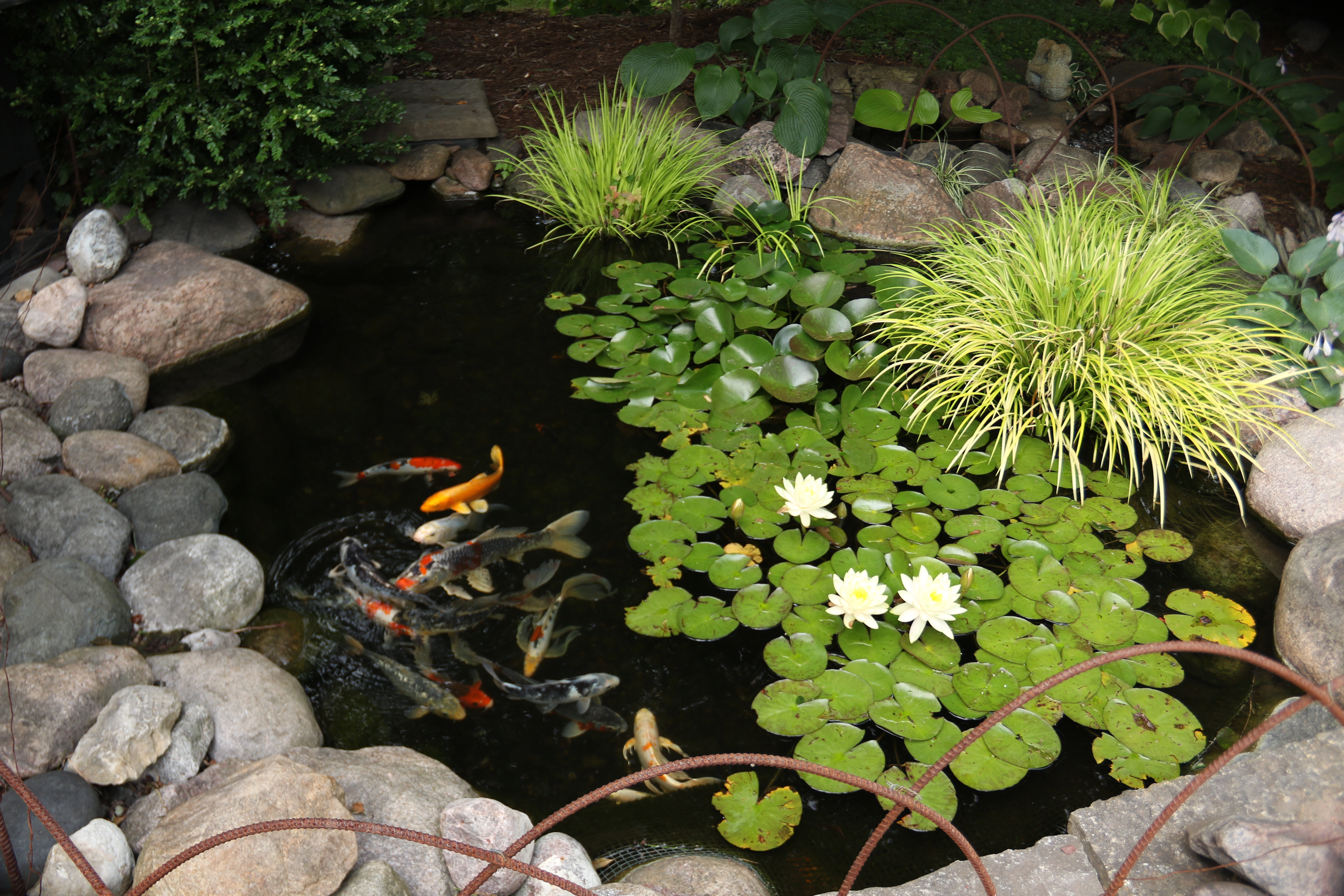
Quick Answer: Do Backyard Ponds Attract Mosquitoes?
Backyard ponds can attract mosquitoes if the water is stagnant, neglected, shallow, and poorly circulated. But a properly built ecosystem pond with moving water, filtration, fish, aquatic plants, and seasonal maintenance is usually not the kind of environment mosquitoes prefer.
Mosquitoes are not magically summoned by the word “pond.” They are looking for still water where eggs and larvae can remain undisturbed. A pond with a working pump, waterfall, skimmer, circulation, and fish is a very different environment from a forgotten bucket behind the garage.
Simple rule: mosquitoes love stagnant water. A healthy pond is designed to keep water moving.
What Mosquitoes Actually Like
Mosquitoes are most likely to breed in shallow, still water that sits undisturbed. Around a Minnesota home, that often means ordinary objects and low spots, not a properly built pond.
- Clogged gutters
- Old buckets or containers
- Wheelbarrows holding rainwater
- Bird baths that are not refreshed
- Low yard areas that hold water
- Tarps, tires, toys, or plant saucers
- Neglected fountains or ponds with no circulation
The mosquito problem usually starts where water sits still long enough to become a tiny backyard swamplet. A balanced pond with movement, filtration, and life in it is a much less friendly nursery for mosquito larvae.
Why Proper Ecosystem Ponds Usually Have Fewer Mosquito Problems
A professional ecosystem pond is designed to move and filter water. The pump circulates the pond, the waterfall adds oxygen and surface movement, the skimmer helps remove floating debris, and the biological system supports a healthier pond environment.
When a pond is built and maintained correctly, it becomes an active ecosystem rather than a still container of water. That difference matters. Mosquitoes prefer lazy, motionless water. A healthy pond is busy water.
- Circulation keeps water from sitting still.
- Waterfalls add surface movement and oxygenation.
- Skimmers help remove leaves and floating debris.
- Filtration supports clearer, healthier water.
- Fish may eat mosquito larvae when present.
- Plants and bacteria help stabilize the ecosystem.
Moving Water Is the Big Difference
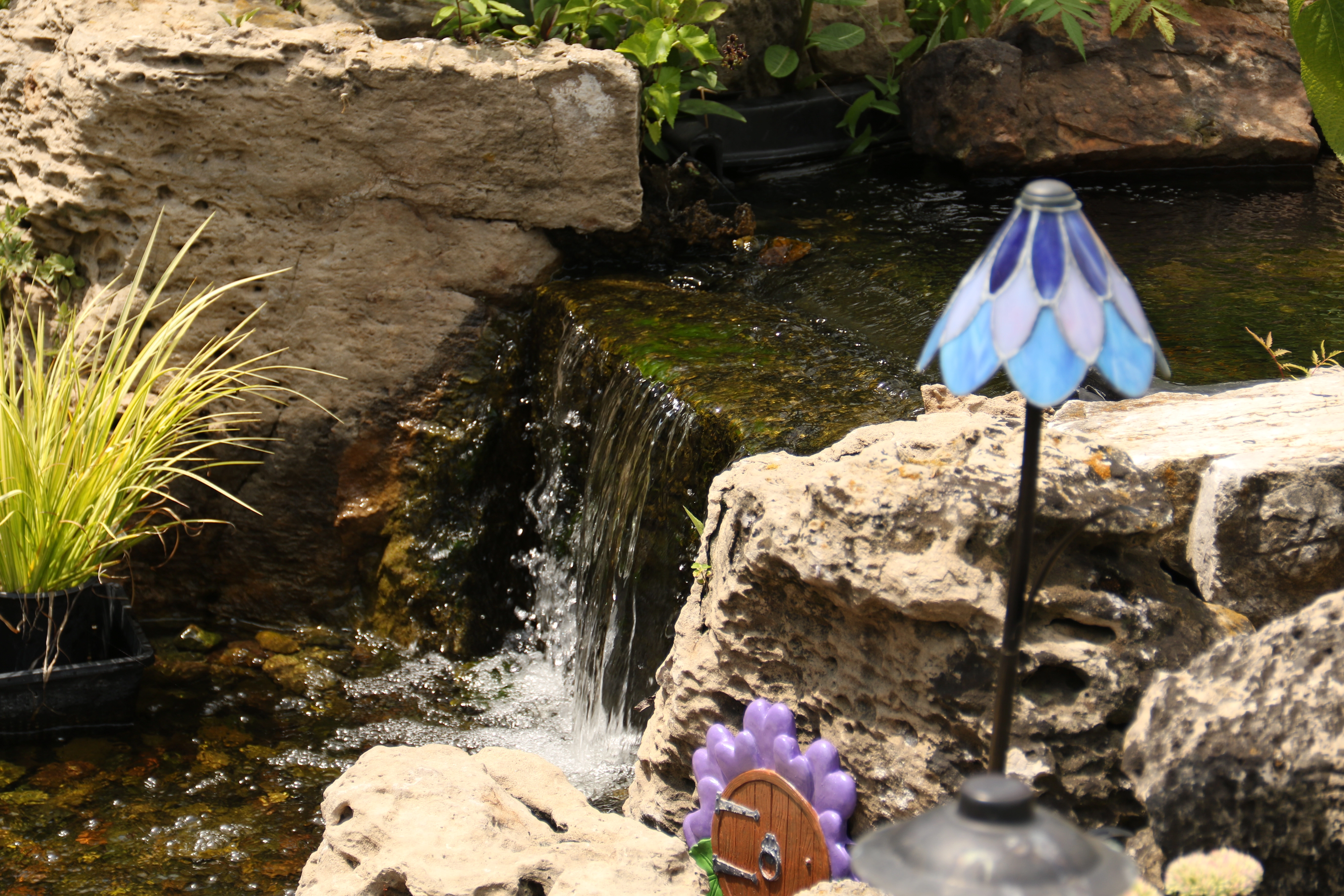
The biggest difference between a healthy pond and a mosquito-friendly water source is movement. Mosquito larvae do best in quiet, still water. Waterfalls, streams, fountains, aeration, and pump circulation make the environment much less appealing.
That is why a pond with a waterfall behaves differently from a forgotten puddle. The waterfall is not just decorative. It is part of the pond’s circulation and oxygenation system.
Fish Can Help Control Mosquito Larvae
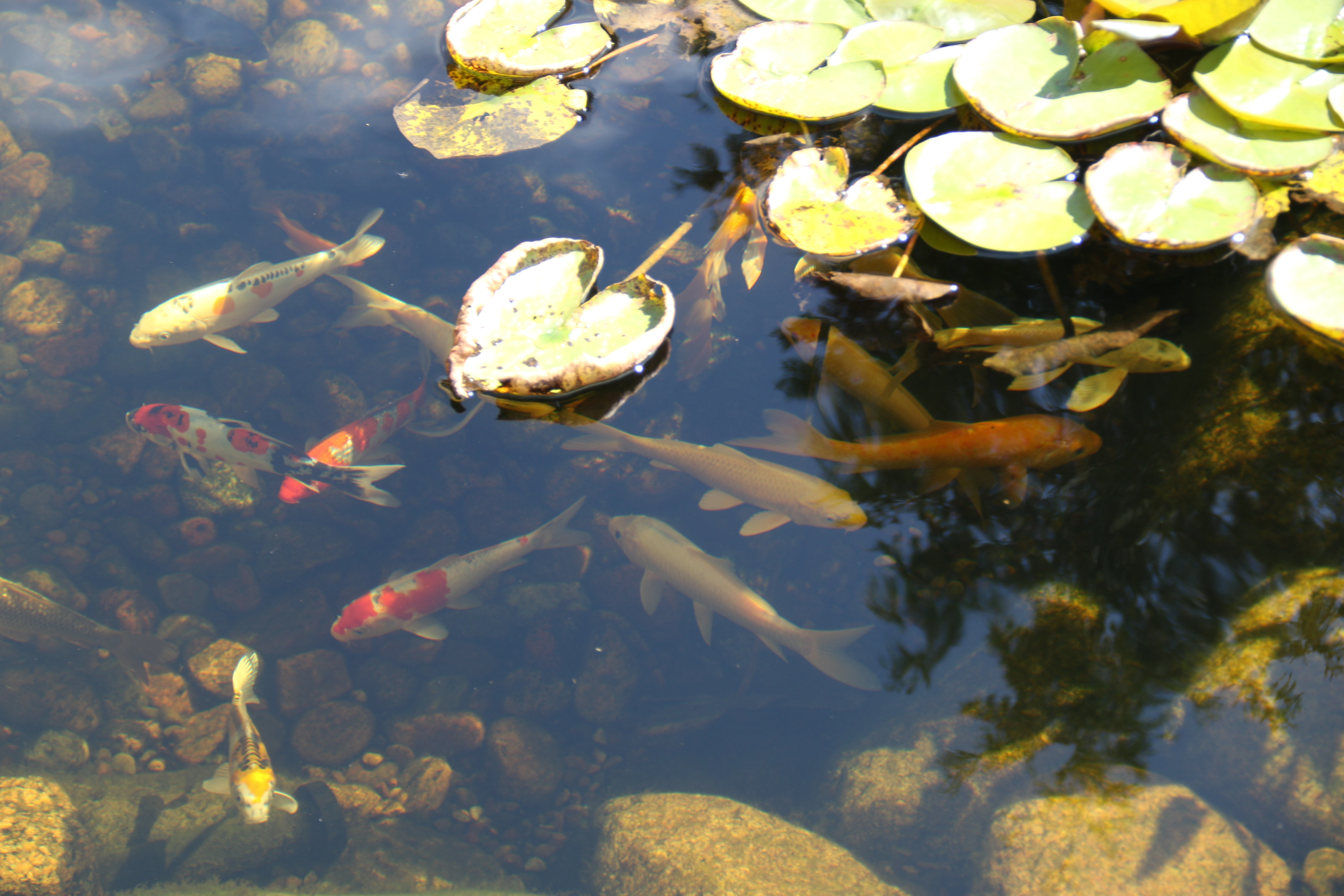
Fish are part of the reason many healthy ponds do not become mosquito nurseries. Goldfish, koi, and other pond fish may eat mosquito larvae when larvae are present. Fish are not the only solution, but they are part of the larger ecosystem.
The key is that fish should live in a pond designed to support them. That means proper water volume, circulation, oxygen, filtration, and seasonal planning. Fish should not be used as a bandage for a poorly built or stagnant water feature.
Dragonflies, Frogs, and Ecosystem Balance
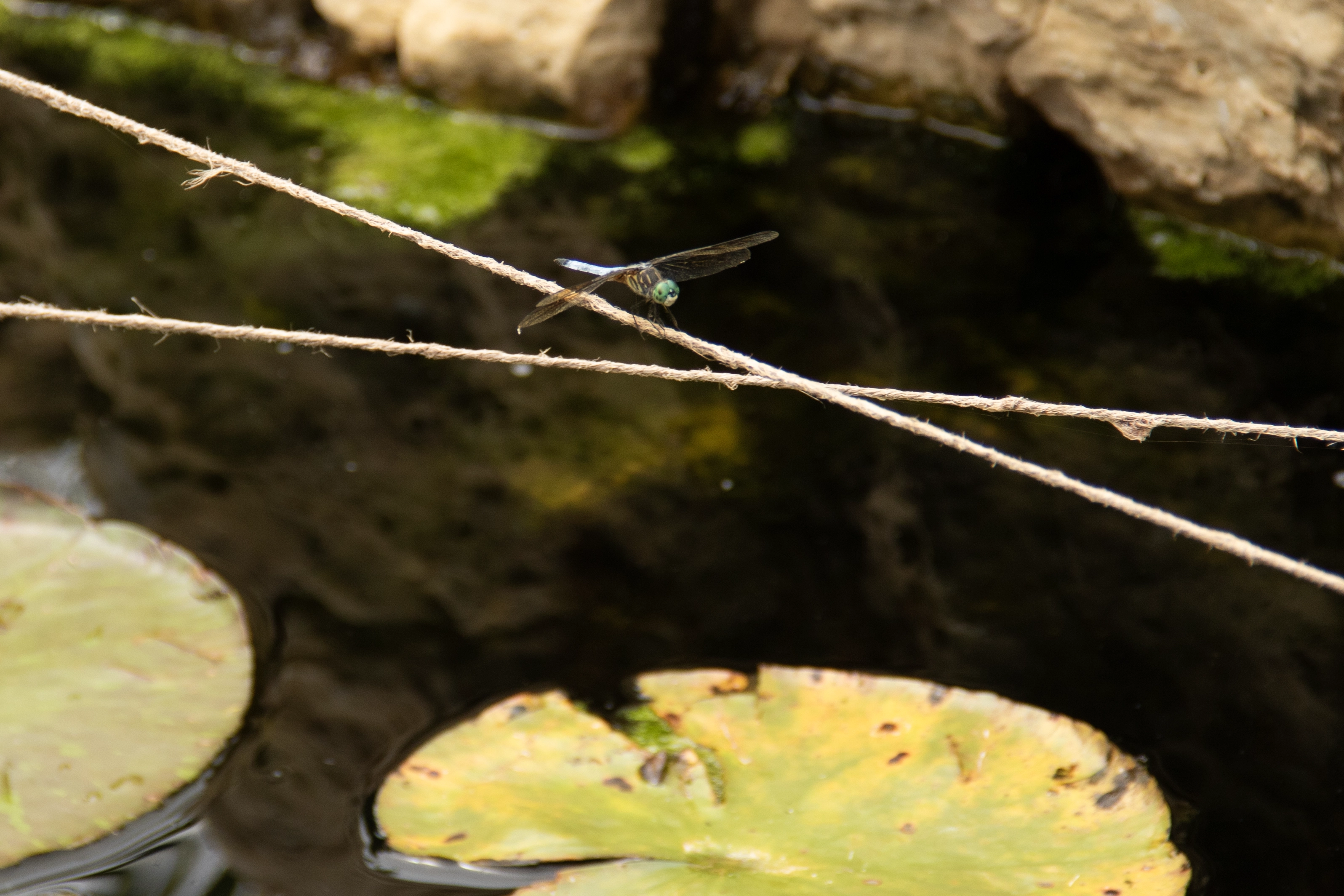
A healthy pond often attracts beneficial life, not just pests. Dragonflies, frogs, birds, pollinators, and other wildlife may visit or live around a balanced pond. Dragonflies are especially welcome because they are natural mosquito predators.
This does not mean every pond becomes a wildlife documentary. It means a pond designed as an ecosystem can support natural relationships that a sterile puddle cannot. Nature likes systems. Mosquitoes like neglected stillness.
Skimmers and Filtration Help Keep the Pond Cleaner
A pond skimmer helps collect leaves, seeds, grass clippings, and other floating debris before they sink and decay. Biological filtration helps support beneficial bacteria that process nutrients in the pond. Together, these systems help keep water healthier and more stable.
Mosquitoes are more likely to become a problem when a water feature is neglected, full of organic debris, and no longer circulating properly. Filtration does not just make a pond look better. It helps the pond stay alive and functional.
Do Pondless Waterfalls Attract Mosquitoes?
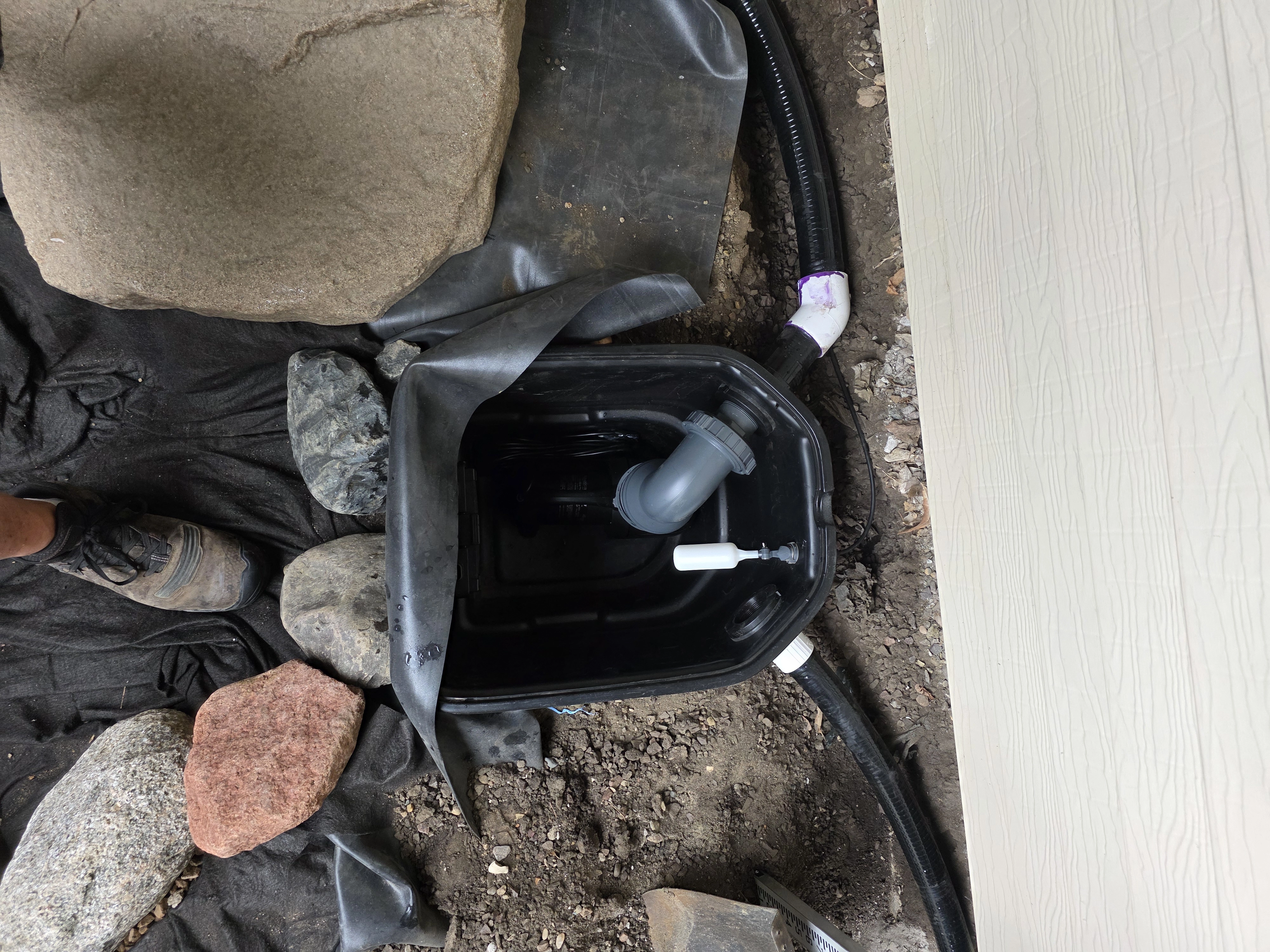
Pondless waterfalls usually have very low mosquito risk because they do not have an open pond basin. The water disappears into a hidden underground reservoir and recirculates back to the top of the waterfall.
Since the water is moving and the reservoir is covered with stone and gravel, mosquitoes typically have far less opportunity to use the system as a breeding area. For homeowners who want the sound and movement of water without an open pond, a pondless waterfall can be a strong option.
What Causes Mosquito Problems in Water Features?
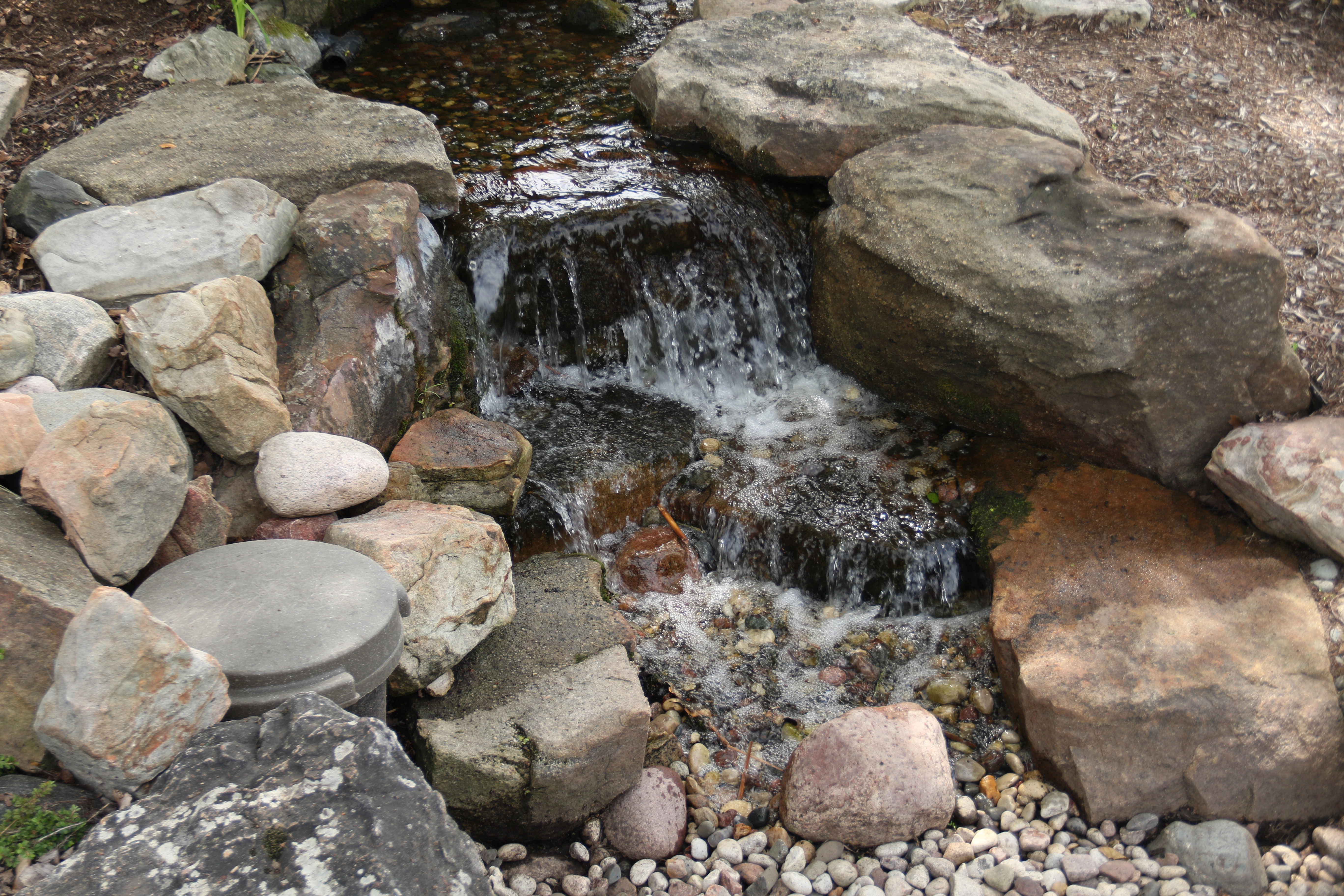
A water feature can become a mosquito problem when it stops functioning like a healthy system. The usual culprit is not the idea of a pond itself. It is neglect, poor circulation, or standing water that has no movement.
- A pump that is turned off or not working
- Stagnant corners with little or no circulation
- Excess leaves, sludge, or organic debris
- Clogged skimmer baskets or filters
- Low water levels that reduce circulation
- Poorly designed shallow pockets
- Neglected containers or basins near the pond
The little mosquito goblin does not care whether the water came from a luxury pond, a flowerpot saucer, or a dented bucket. It cares whether the water is still.
Minnesota Reality Check: Mosquitoes Are Already Here
In Minnesota, mosquitoes are already part of the outdoor season. Wetlands, ditches, low spots, shaded yards, rainwater, and nearby standing water can all contribute to mosquito pressure. A properly built pond is rarely the main source when the system is moving, filtered, and maintained.
That does not mean a pond owner can ignore the system. It means the question should shift from “Do ponds attract mosquitoes?” to “Is the pond designed and maintained as moving, healthy water?”
Better question: Is the water moving, filtered, clean, and maintained? If yes, the pond is much less likely to become a mosquito breeding problem.
How to Reduce Mosquitoes Around a Pond
The best mosquito prevention strategy is simple: keep water moving, keep the ecosystem healthy, and remove stagnant water around the yard.
- Keep the pond pump running during the active season.
- Maintain the skimmer, filter, and water circulation system.
- Remove excess leaves, sludge, and organic debris.
- Make sure waterfalls, streams, and return lines are flowing properly.
- Maintain proper water level so circulation works as intended.
- Look for buckets, gutters, saucers, tarps, and low spots that hold rainwater.
- Schedule seasonal maintenance if the pond is overloaded or not functioning properly.
A pond is easiest to enjoy when it is treated as a living system. Regular attention keeps the water clearer, the feature healthier, and the mosquito rumors quieter.
Frequently Asked Questions
Do backyard ponds breed mosquitoes?
A stagnant, neglected pond can breed mosquitoes. A properly built ecosystem pond with moving water, filtration, fish, and maintenance is usually not an ideal mosquito breeding area.
Can mosquitoes lay eggs in pond water?
Mosquitoes prefer still water. They may try to use stagnant pockets, but moving water, fish, filtration, and surface movement make a healthy pond much less attractive to them.
Do koi ponds attract mosquitoes?
A healthy koi pond with proper circulation and filtration is not usually a mosquito problem. Koi and other pond fish may also eat mosquito larvae when larvae are present.
Do pondless waterfalls attract mosquitoes?
Pondless waterfalls usually have low mosquito risk because the water is moving and stored in a hidden underground reservoir rather than sitting as an open stagnant pool.
Does moving water keep mosquitoes away?
Moving water helps discourage mosquito breeding because mosquitoes prefer calm, still water where eggs and larvae can remain undisturbed.
How do I stop mosquitoes around my pond?
Keep the pump running, maintain filtration, remove organic debris, avoid stagnant corners, keep water levels correct, and eliminate standing water from buckets, gutters, saucers, and other containers around the yard.
Want a Pond Without the Mosquito Worry?
The best way to avoid mosquito problems is to design the water feature correctly from the beginning. Moving water, filtration, good edge treatment, fish-safe planning, and routine care all help create a healthier pond.
Fountainscapes & Waterfalls designs and builds ecosystem ponds, pondless waterfalls, fountainscapes, and water feature lighting for homeowners in New Ulm, Southern Minnesota, and select surrounding areas.